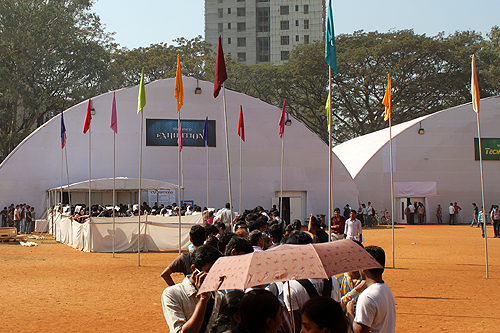
C-LAB kicks off 2012 by arriving in Mumbai, India to exhibit three living artworks using synthetic biology and nanotechnology. The annual exhibition is Asia’s largest international science and technology festival and held at the Indian Institute of Technology (IIT) Bombay under the patronage of UNESCO.
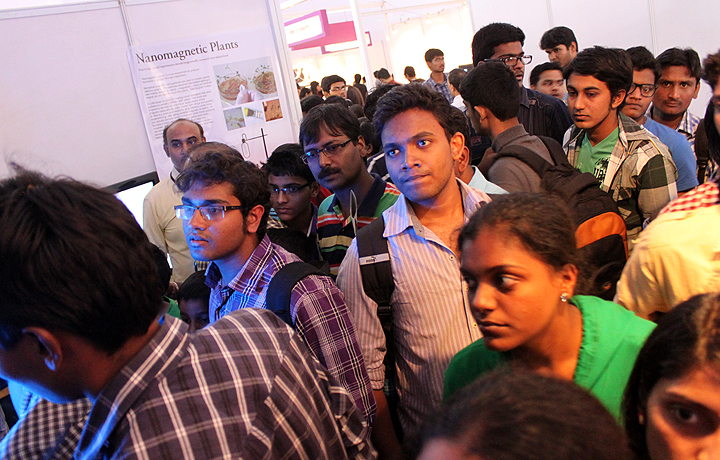
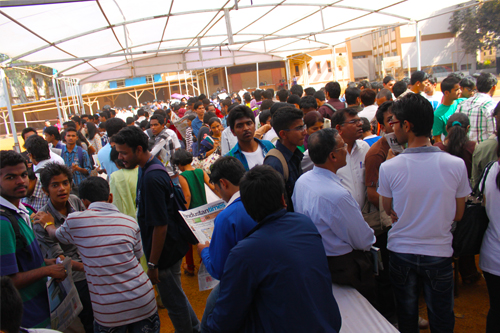
The exhibition, with an estimate of over 95,000 visitors, provides an enormous exposure and a challenge for exhibitors simply overwhelmed and outnumbered.
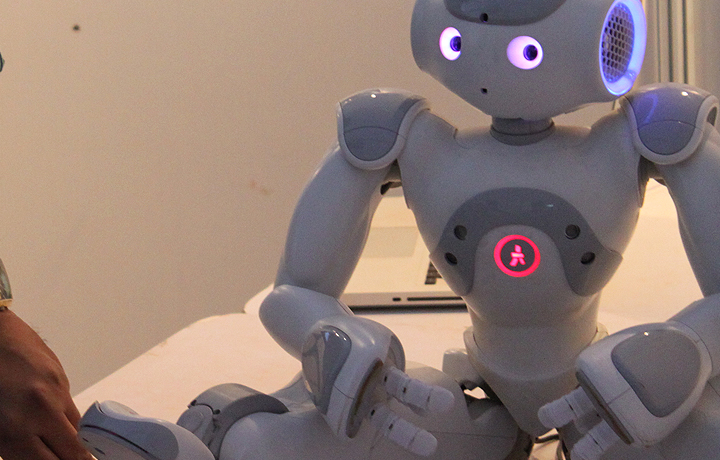
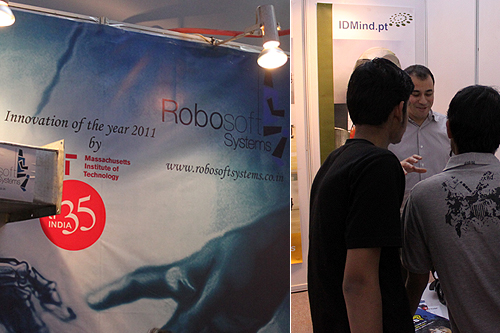
Over one hundred exhibits were displayed with a focus on robotics and artificial intelligence. C-LAB was invited to showcase its research and selected three new exhibits aimed at opening the audience to art involving living synthetic biology and nanotechnology.
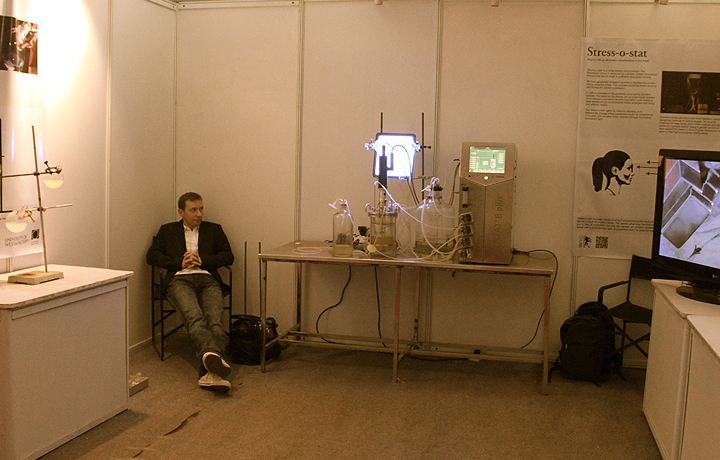
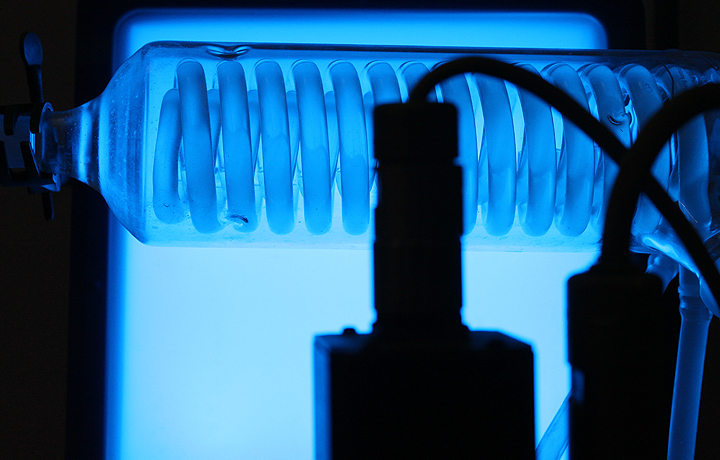
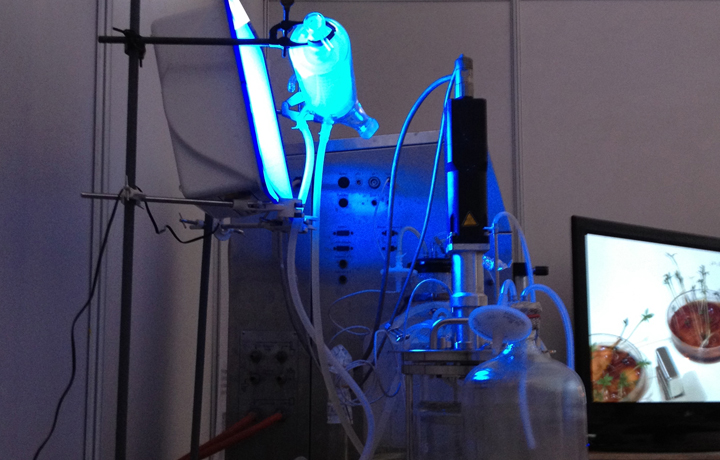
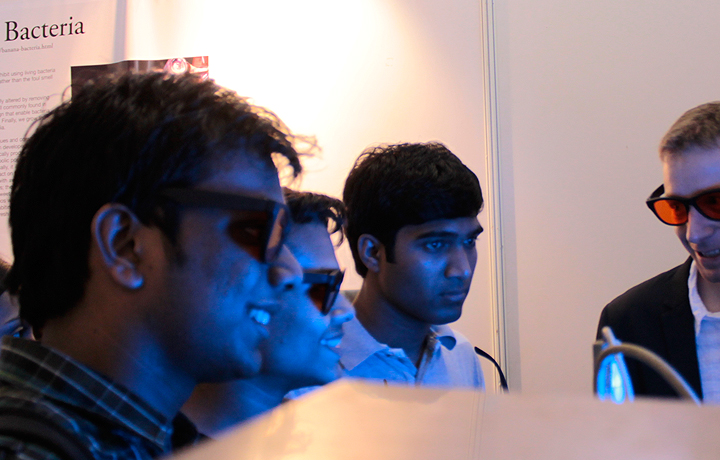
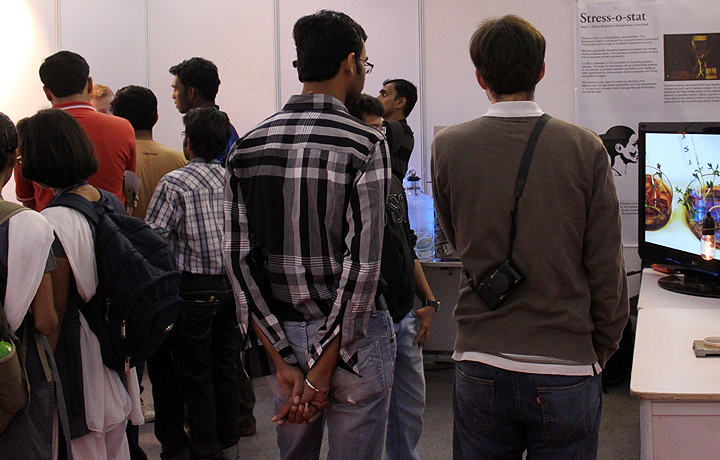
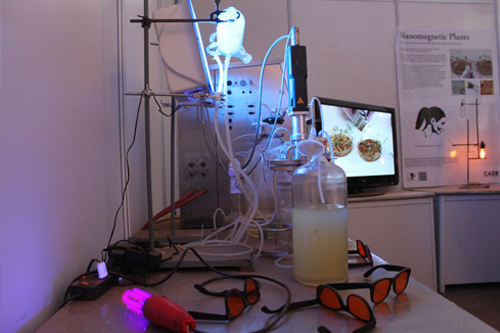
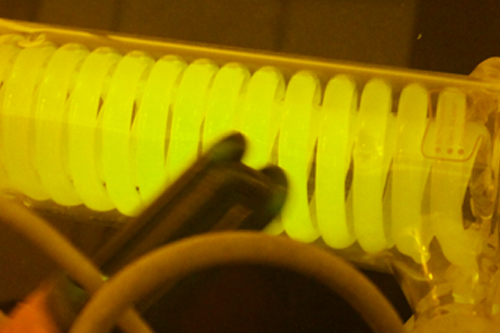
Stress-o-stat (2011) is a large display using a fermenter (in a chemostat setup) and combines stress sensing in bacteria with the production of light emitting proteins allowing audience to see invisible states in bacteria, namely stress expressed as light.
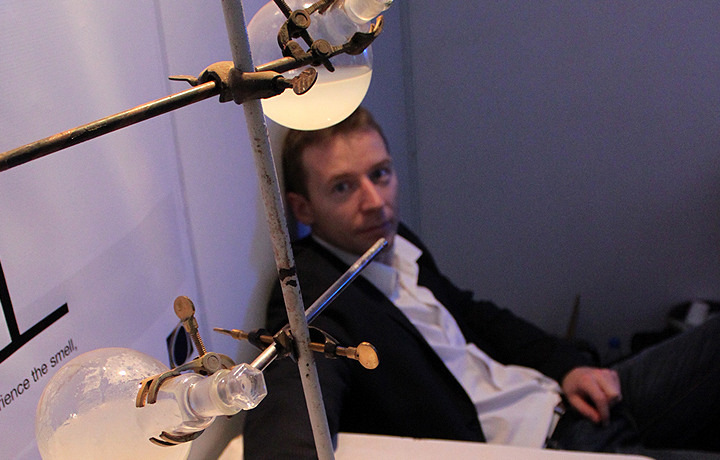
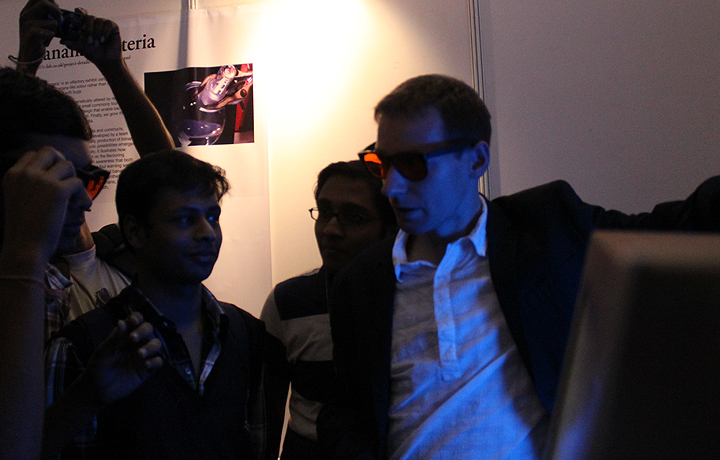
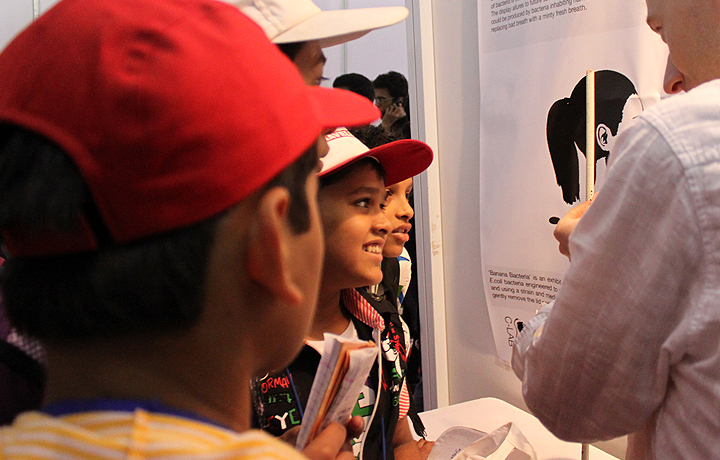
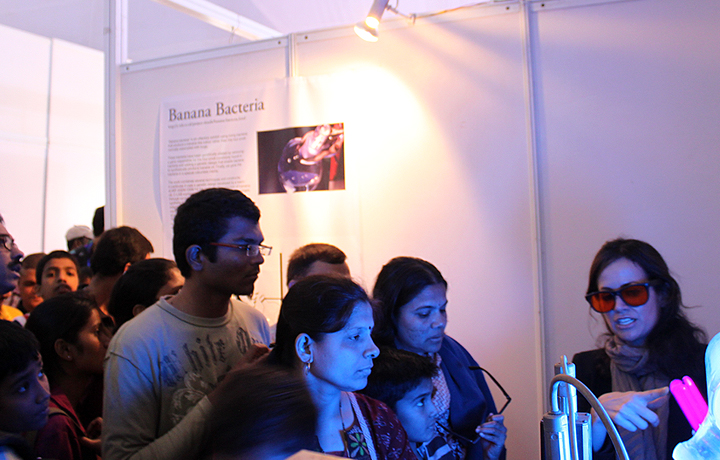
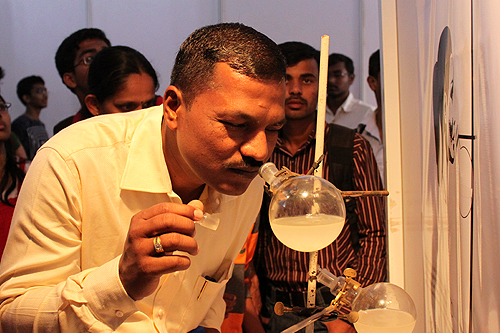
Banana bacteria (2011) uses a genetic construct from MIT in combination with special odourless bacterial strains and media to give an olfactory experience of bacteria smelling like banana.
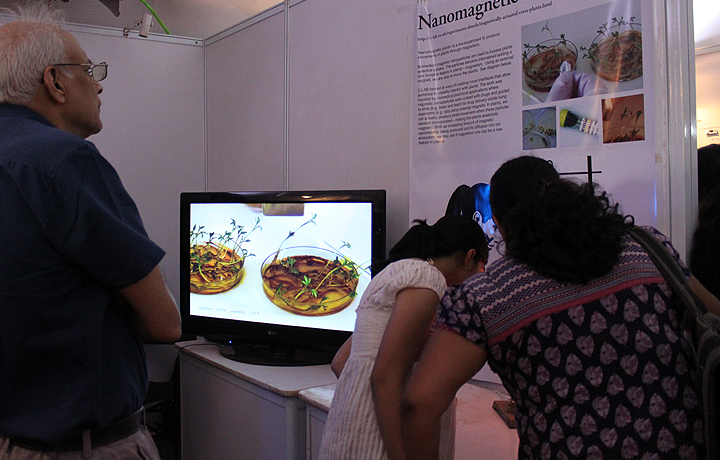
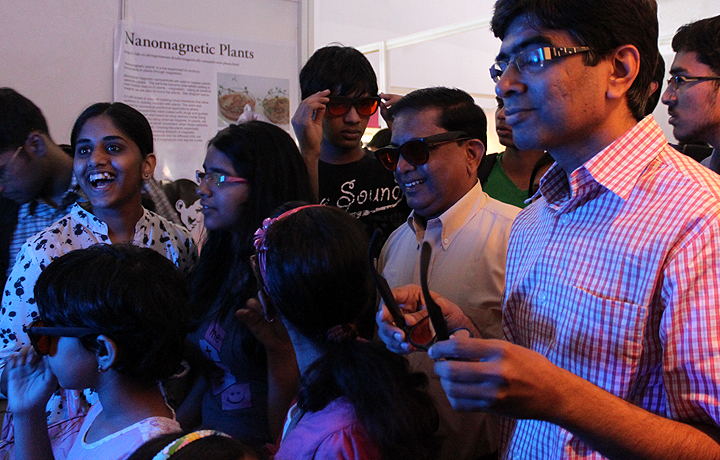
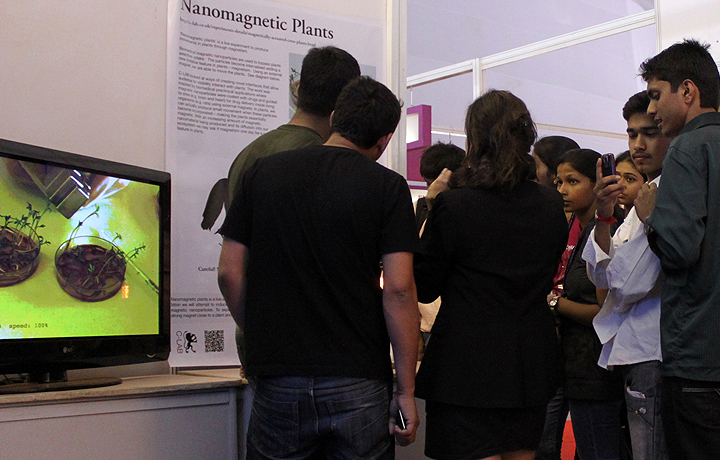
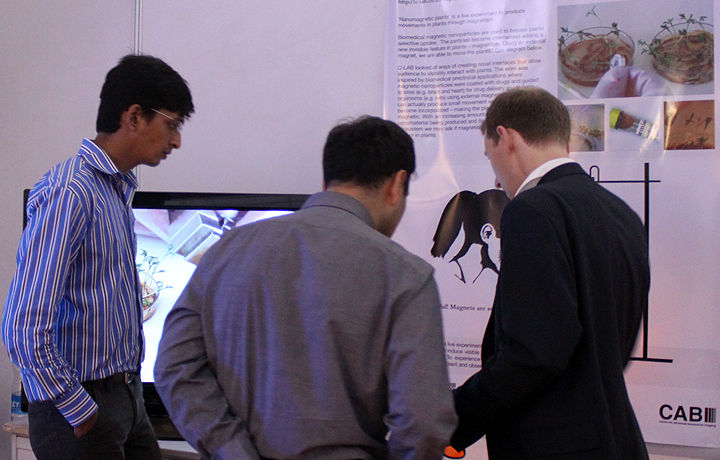
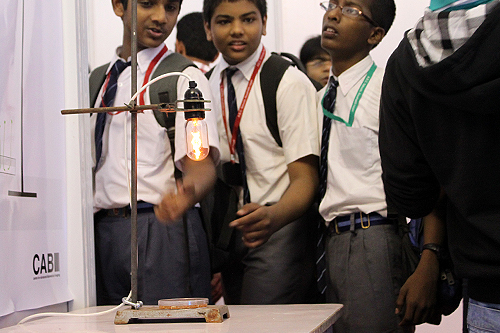
Nanomagnetic Plants (2008/11) shows how nanomagnetic particles can be internalised and used to produce visible movement in plants. The work speculates on future eco-toxicity scenarios of nanotechnology where nanoparticles may become abundant and released into the environment adding new features to plants.
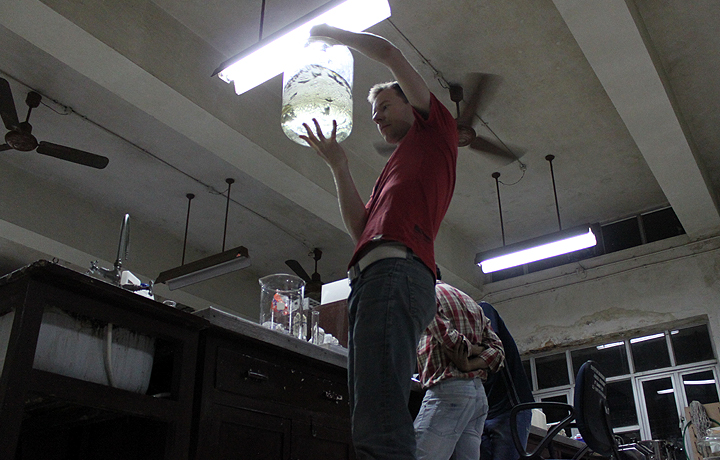
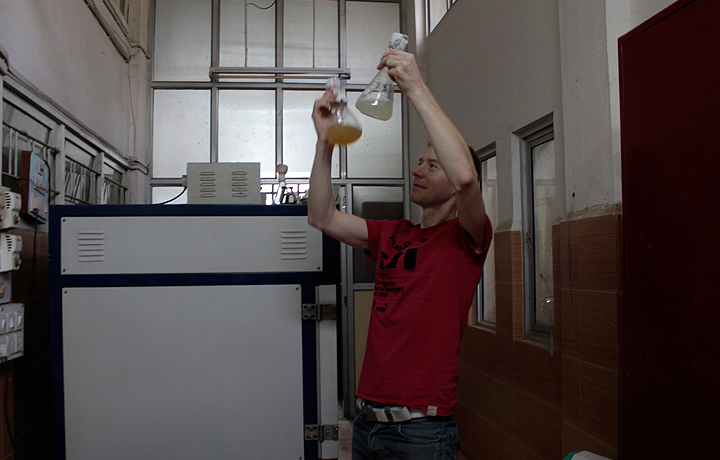
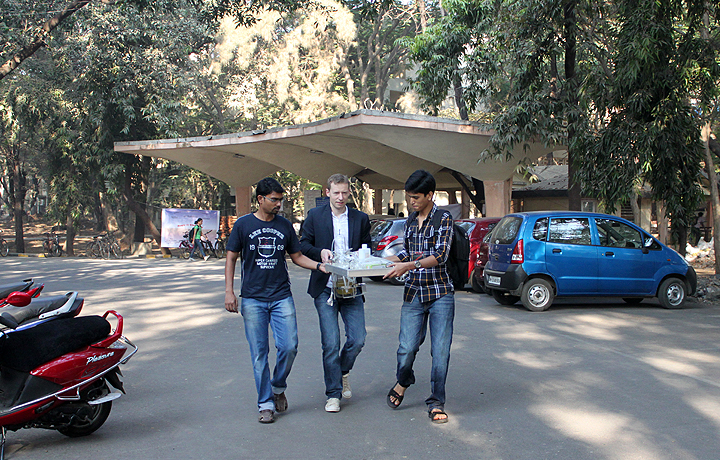
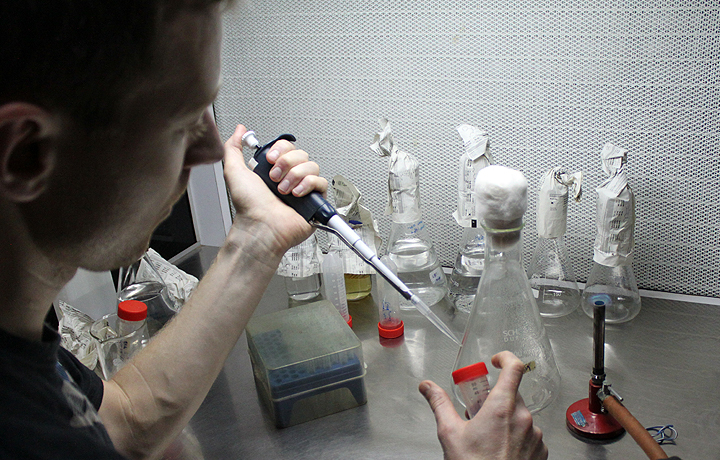
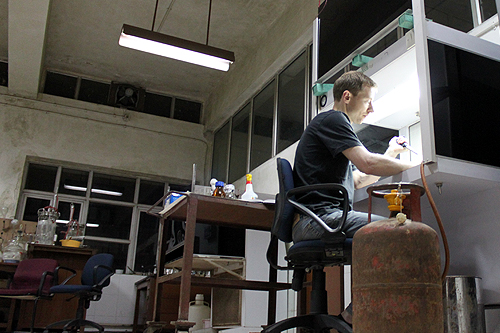
Arriving four days prior to the exhibition, C-LAB’s additional challenge was to produce these works at IIT Bombay’s Biological Systems Engineering Laboratory. The bacterial works were successfully setup using the department’s equipment, help and enthusiasm. We are thankful to researchers Krishna Kumar and Dr Sandeep Gaudana.
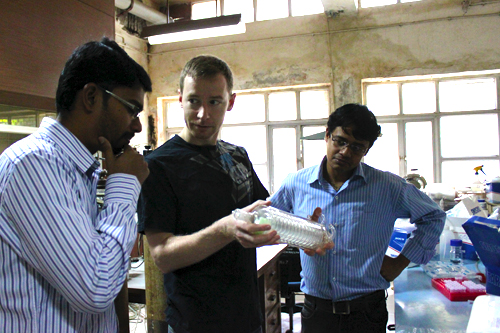
The exhibits would not have been possible without the help of Professor Pramod Wangikar who facilitated our use of his laboratory and equipments.
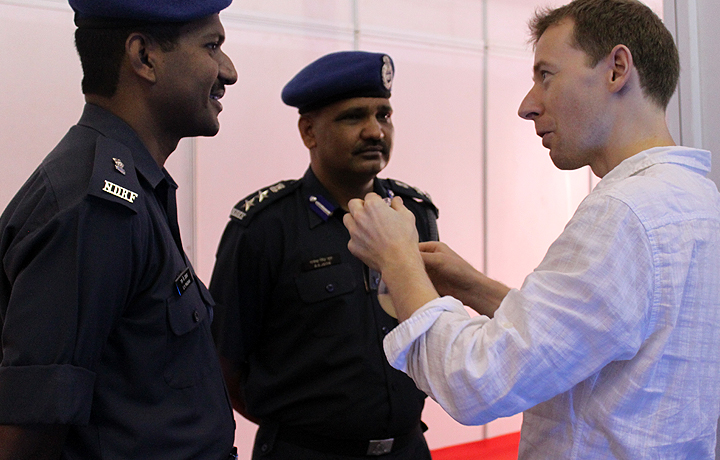
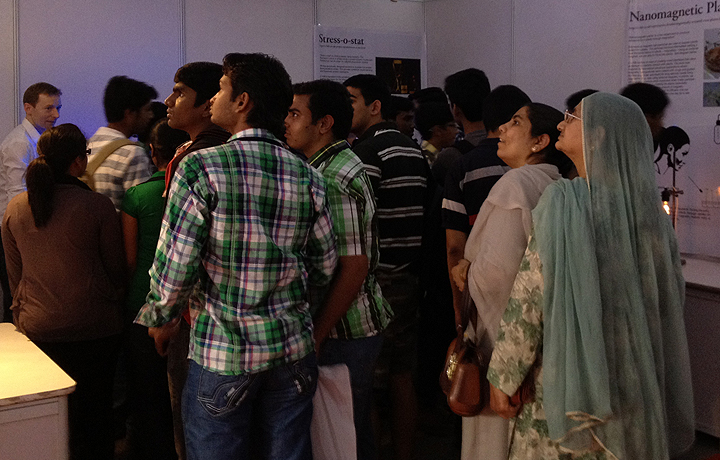
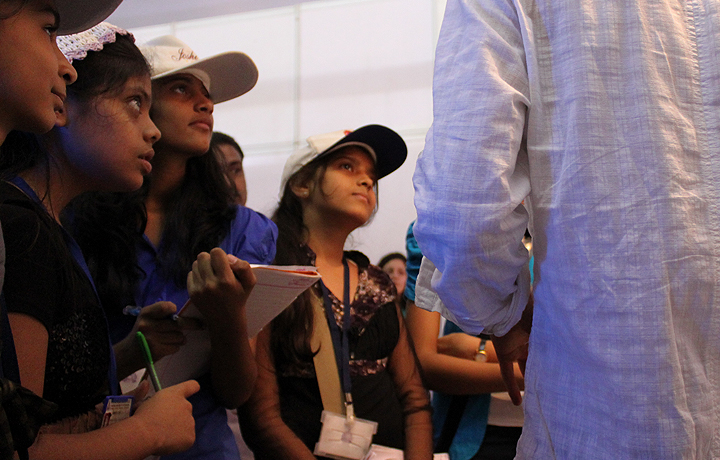
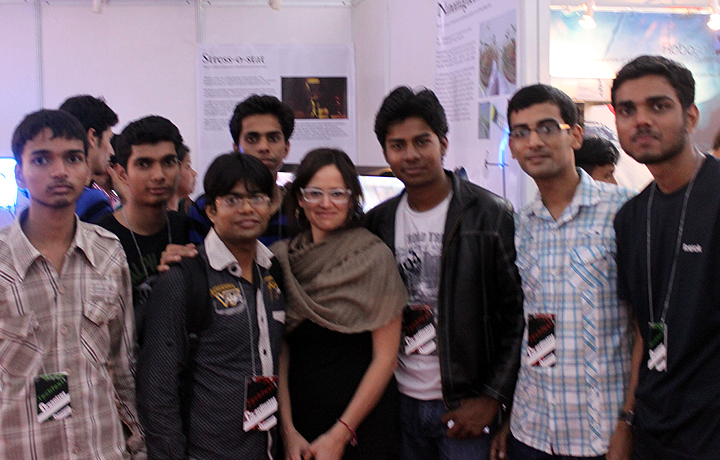
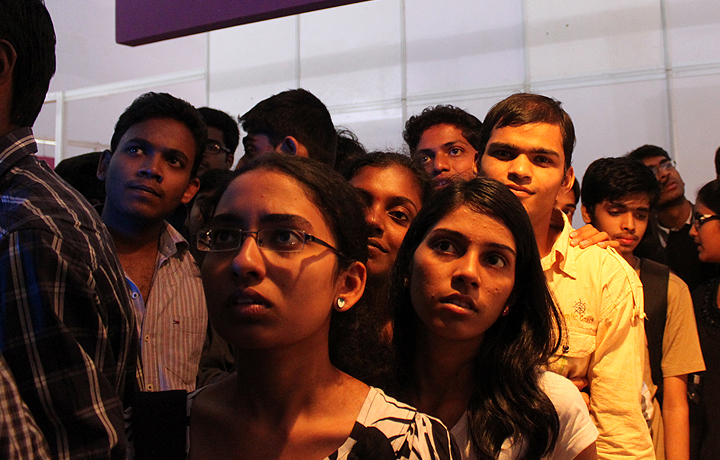
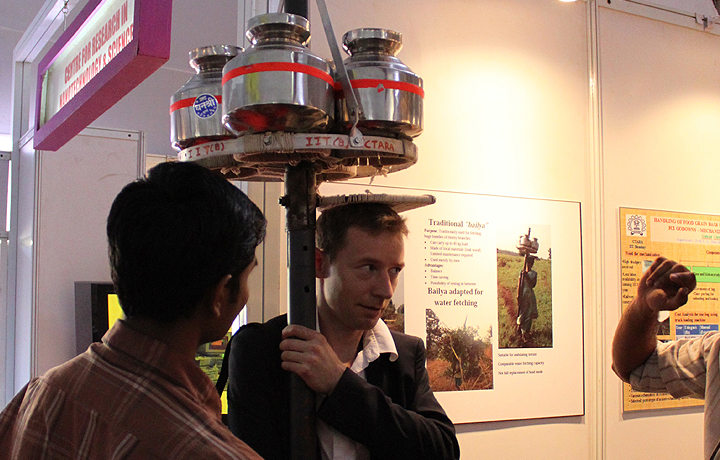
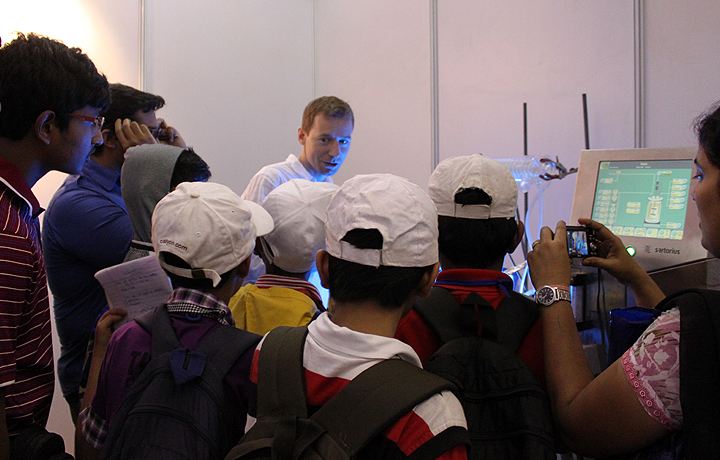
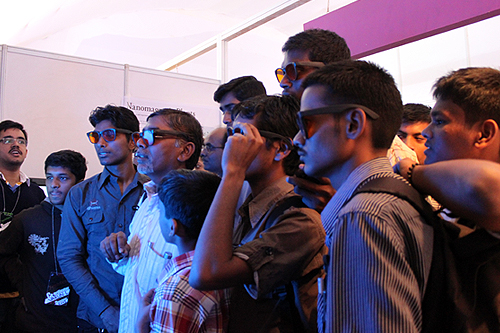
Audiences’ enthusiasm was tremendous with many enduring over 4 hours of queuing in a scorching heat of 30ºC to visit the exhibition. Being more technology focused, Techfest offered a reflection on our efforts not only as cultural producers but also on how artists are partaking in innovation. As an interactive exhibition that allowed audience to use their senses and augmentation to explore living biotechnological artworks. The sheer amount of people entering our space and interacting with our exhibits resulted in the occasional locking down of the space to speed up outside queues. Posters were also used to provide audience with information when crowds grew too big to explain.
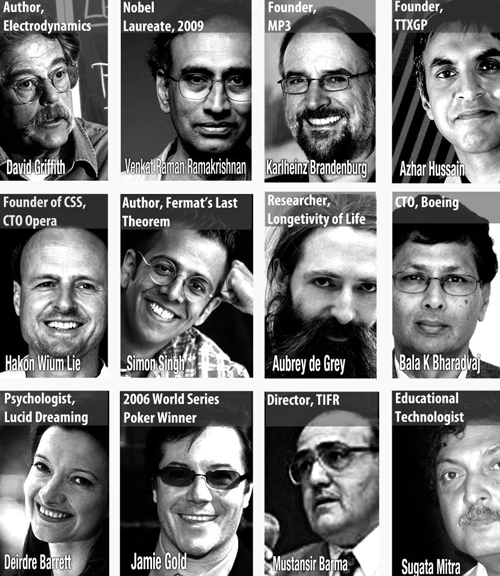
A high calibre of speakers presented talks and workshops in areas covering science and technology of both mind and machine, including Professor Deirdre Barrett, Dr. Karlheinz Brandenburg and Professor David Griffiths. Evening events featured spectacular visual, sonic and acrobatic performances.
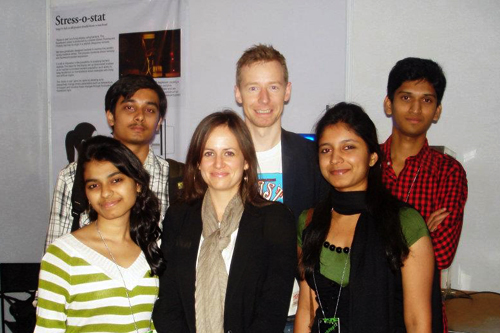
A very special thanks the Techfest coordinators, especially Sai Prashanth, as well as Nithin Nara, Srishti Malpath and Shivanjali Yadav.
A big thanks to Clare Chemical Research for donating a dark reader and polarised glasses to visualise fluorescent proteins and to UCL Centre of Biomedical Imaging for providing the nanoparticles.