Synthetic Biology
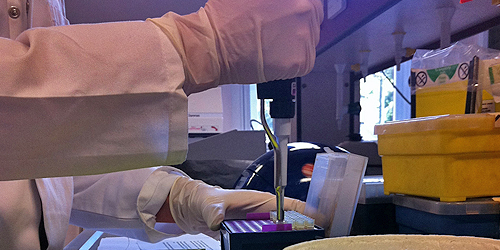
The use of wet engineering technology offers unprecedented possibilities of ‘designing life’ to create novel living devices. Synthesis: synthetic biology in art & society focused on Synthetic Biology - an emerging field utilising engineering principles to assemble new functions in biological systems.
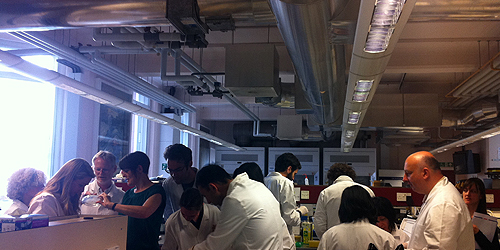
Laura Cinti (c-lab) was invited to take part in a six-day intensive exchange laboratory alongside: artists (Melanie Jackson, Anne Brodie, Helen Bullard, Jennet Thomas, Nathan Cohen, Sneha Solanki, Katy Connor and Orkan Telhan); architects (Veronika Valk, Niccolo Casas and Thiago Soveral), a curator (JD Talasek who was there in spirit), social scientist (Joy Yueyue Zhang), bioinformatics (Irilenia Nobelli), systems and synthetic biologist (Elisa Dominguez Huttinger); philosopher/historian (Brendan Clarke); theatre practitioner (Tom Bailey); industrial designer (Matt Johnson) and designer (Amanda Parkes).
The workshop was designed by Alexandra Daisy Ginsberg (Synthetic Aesthetics) in collaboration with scientists including Professor John Ward (UCL) and artist Oron Catts (SymbioticA/Royal College of Art) and organised by the The Arts Catalyst and UCL with Synthetic Aesthetics and SymbioticA and funded by a Wellcome Trust Art Award with support from The Arts Catalyst (funded by Arts Council of England), the SynBion Network (funded by BBSRC, EPSRC and AHRC), SymbioticA (The University of Western Australia) and Synthetic Aesthetics (funded by EPSRC and the National Science Foundation).
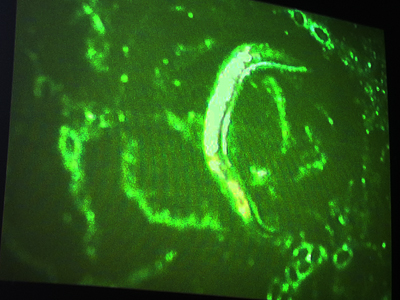
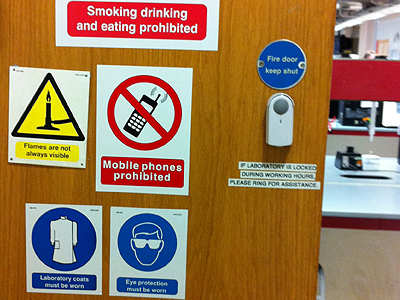
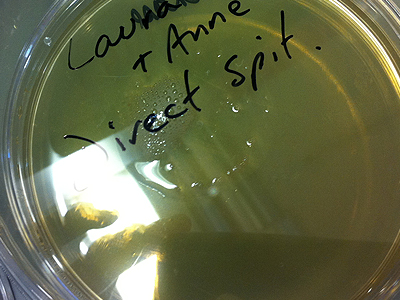
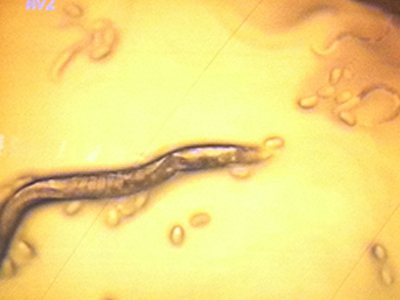
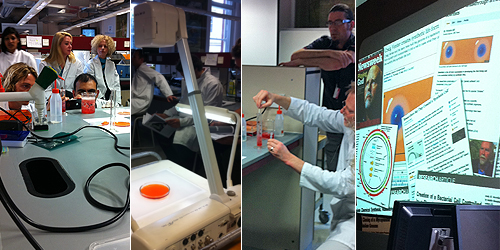
The intent of this initiative was to explore and challenge the wider implications of the field of synthetic biology by engaging directly with laboratory techniques, demonstrations, talks by specialists in the field, open discussions and a fieldtrip to ‘inspire proposals for future projects from all participants’.
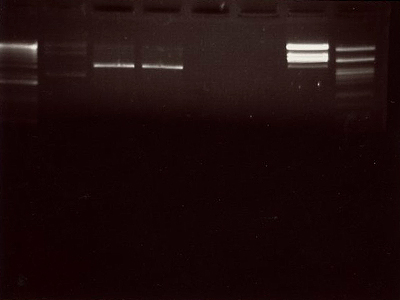
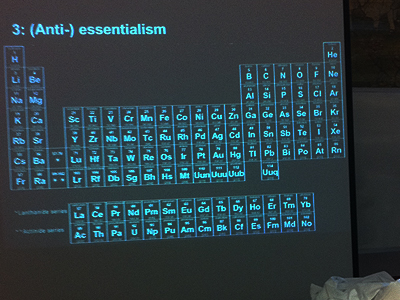
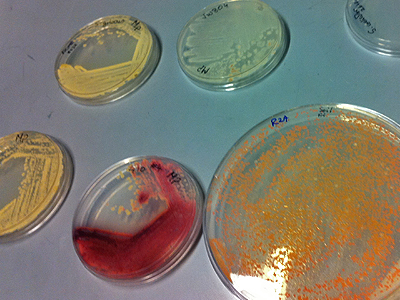
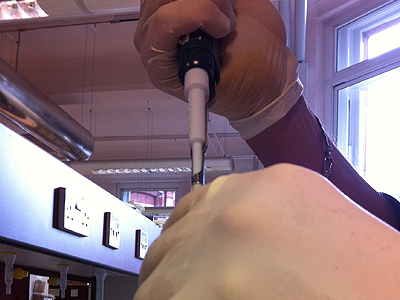
Further images from the workshop can be seen on links below:
Synthesis Day 1: 'Origins' and 'Build-it-Yourself'
Synthesis Day 2: 'The Living Toolbox'
Synthesis Film Night
Synthesis Day 3: 'Life versus Biology'
We need to talk about Synthia
Synthesis Day 4: 'Context & Symbiosis'
Synthesis Day 5: 'Life as we never knew it'
Synthesis Day 6: 'Synthesis'
The workshop was thought-provoking and intense. The diverse interdisciplinary positions from the organisers and guest lectures made it all the more stimulating. I think it is significant to consider how contributions to the field of synthetic biology is increasingly widespread in that it is no longer restricted to relevant specialists but also involves amateurs (old french origin of amateur = “lover of”).
Given synthetic biology’s proliferating scope and novelty factor, many previous thematically related artworks are being mapped onto the field. Current works in the field focus on imaginative and social narratives told through videomaking and animations rather than 'wet biology'. It remained questionable how artists and designers interventions are being negotiated in terms of ‘reaching a broader audience’. For instance, employing an antagonistic tone alongside its evocative newness remains politically problematic and ambigious. How, then, do we talk about 'synbio art' as a critical art practice?