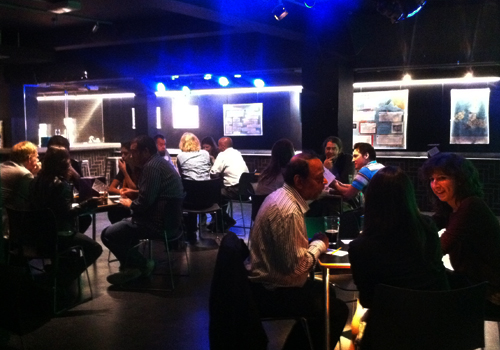
Following in venacular from its previous debate Synthetic Biology: Machine or Life? (UCL iGEM 2011) at the Science Museum's Dana Centre, a diverse audience had again gathered for the UCL iGEM 2012 debate: Synthetic Biology: Speed Debating aimed at a more intimate and interactive conversation on the topic of releasing genetically engineered organisms to clean up plastic pollution in the pacific ocean.
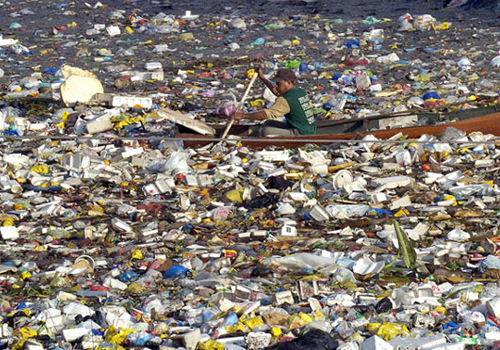
Plastic Sea. Photo Source: Coastal wiki
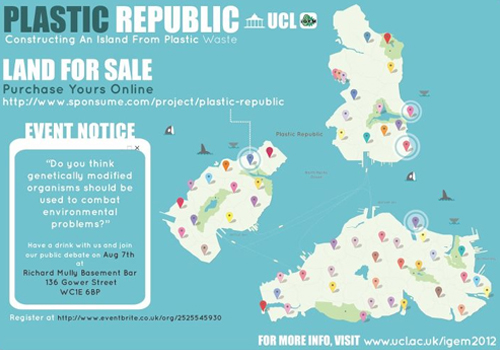
This year, the project - PLASTIC REPUBLIC - proposes to tackle plastic pollution in the ocean through bioremediation, engineering bacteria to clump together increasingly bigger bits of plastic to form artificial islands.
The speed debate evening provided an opportunity to discuss whether plastic pollution should be tackled by genetically modified organisms.
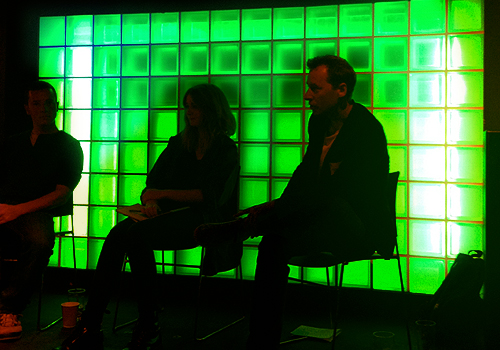
Bethan Wolfenden (UCL iGEM 2012) introduced the event and welcomed the audience and the panel - Howard Boland (C-LAB), James Rutley and Erin Oerton (UCL iGEM).
Howard gave an overview and introduction to synthetic biology and iGEM (International Genetically Engineered Machine competition) leading up to the idea of PLASTIC REPUBLIC, which was explained by James.
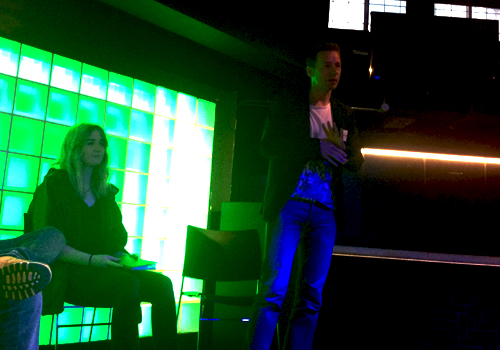
The format of the evening, as outlined by Erin, introduced four questions that were each speed-tackled in 8-minutes followed by re-shuffling of participants.
The questions:
1. Should amateur scientists, ranging from garage biologists to iGEM teams, ever be allowed to create synthetic organisms?
2. Where scientific resources are limited, should we take action to tackle the symptoms of pollution or should we focus on tackling the root cause?
3. How far do we take into account public opinion, and do we still proceed if there is still informed dissent?
4. Should synthetic organisms ever be released into the ocean?
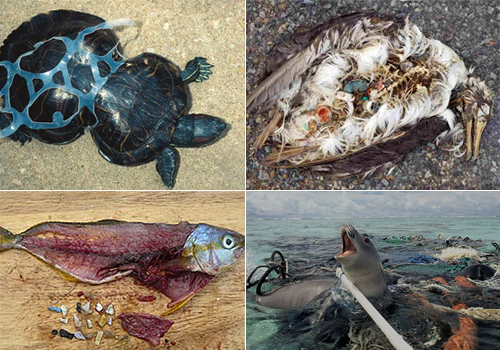
1. Plastic pollution inducing deformities in organisms 2. Midway atoll, bird corpse. Photo: Chris Jordan 3. Plastic found in Rainbow Runner fish guts. Photo Source: Algalita Marine Research Foundation. 4. Seal trapped in plastic pollution. Photo: Tedxgp2.
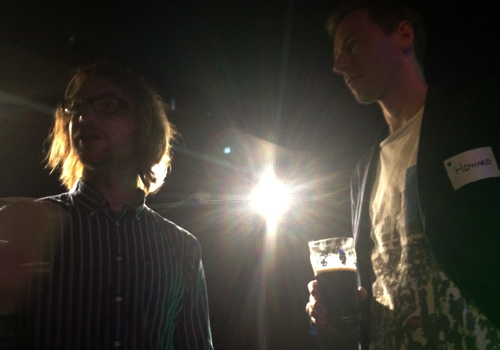
Following the speed debating session, the Q&A sought to unpick up some of the discussions by probing into the questions further, such as: When do we consider something critical enough to use this sort of technology; Why do we consider it more appropriate to use such means (GMO) in dealing with nuclear pollution versus plastic; and how do we engineer this system with a safety net and can it be trusted?
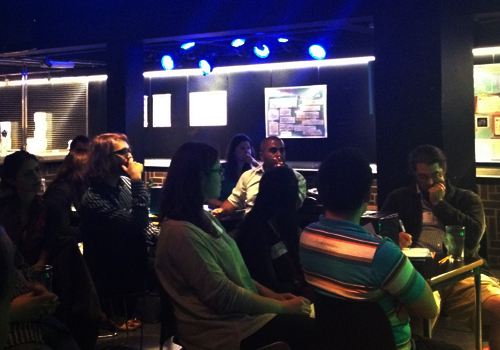
A great variety of people engaged in the debate and it was particlarly fascinating to listen to the many different and heartfelt perspectives.
The videos below provide a brief introduction to the UCL iGEM 2012 project.
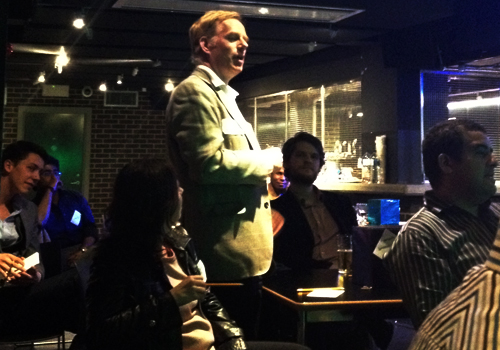
See more photos of the PLASTIC REPUBLIC speed debating event here or via UCL iGEM's Fabecook page.


