katE
Visualising Stress
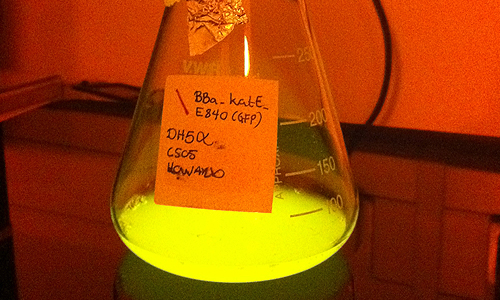
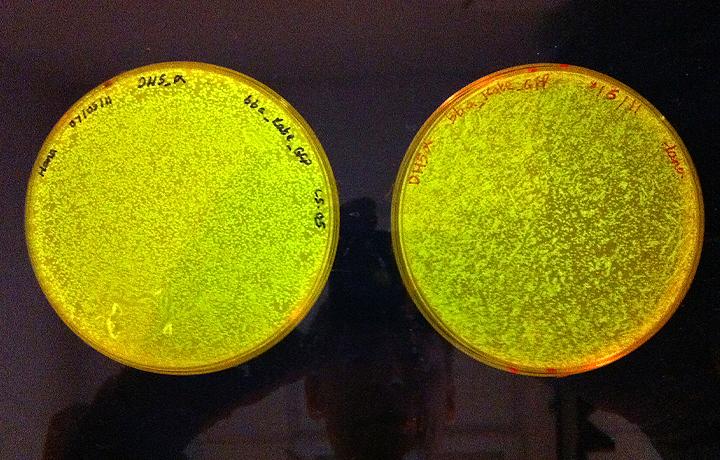
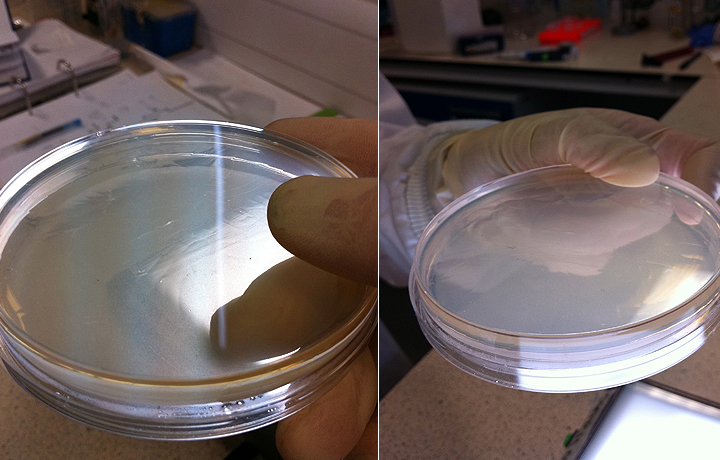
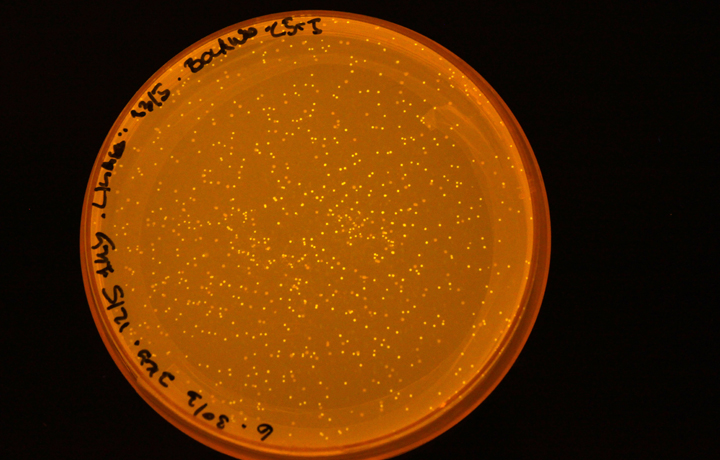
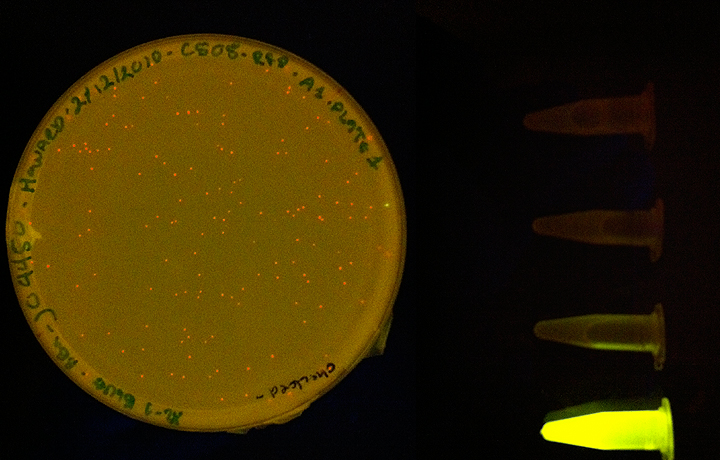
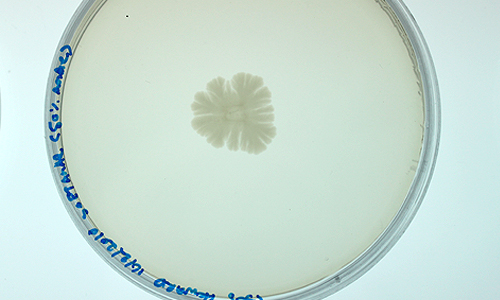
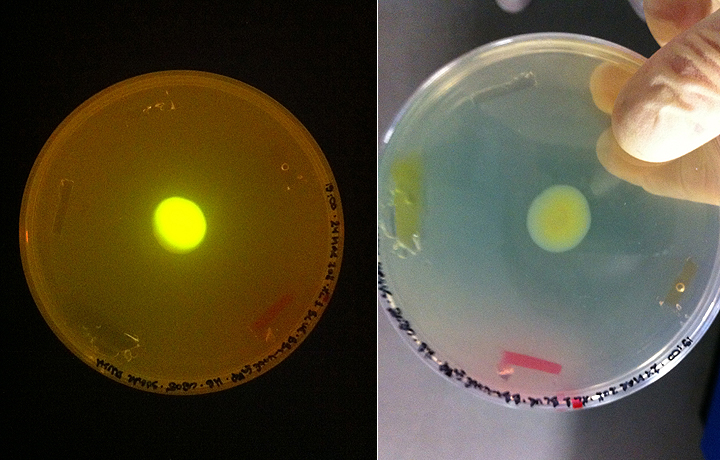
katE - Visualising Stress explores how genetic engineering and synthetic biology enable artists to reveal and visualise invisible biological processes. This project began by growing unusually large bacterial colonies and asking: Can biological states, such as stress from food depletion, be captured and visualised? Using synthetic biology techniques, this work aimed at extracting a genetic switch involved in stress regulation from the E.coli genome and engineered a new genetic device to report stress through colour, using Green Fluorescent Protein (GFP).
Art in Laboratory
Visualising Stress
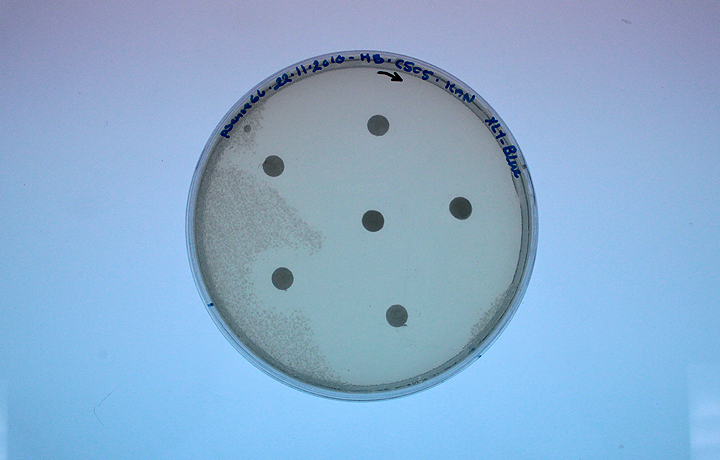
The artwork was developed as part of an immersive laboratory practice undertaken by the artist who relied on evidence-based art practices where the methods used produce the work required scientific approaches in particular those related to genetic engineering and synthetic biology. Through a series of questions the work tried to unravel some of the genetic foundations for biological stress but took this further by actually engineering genetic circuits to visualise these processes. The work offers a way of seeing stress through colour.
A Scientific Process: Amplification and Expression
Deep Dive Into Genetic Engineering
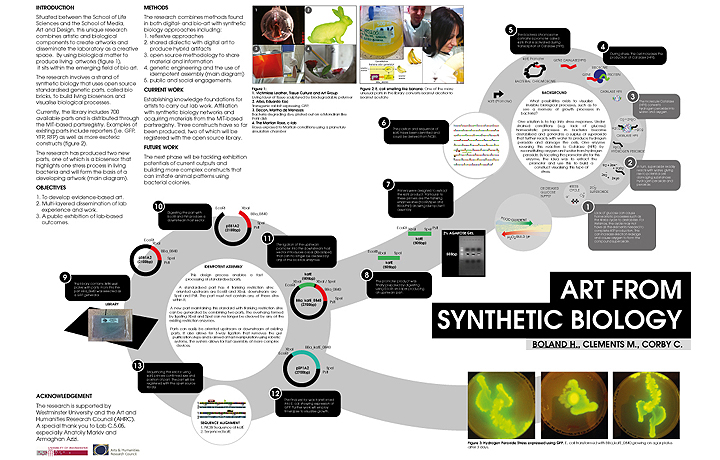
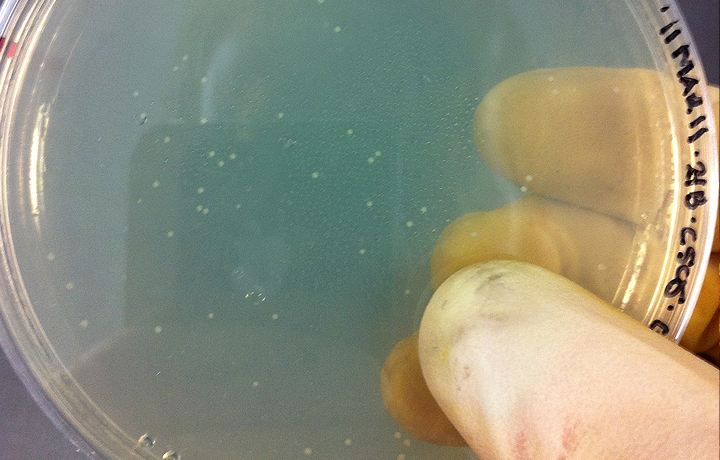
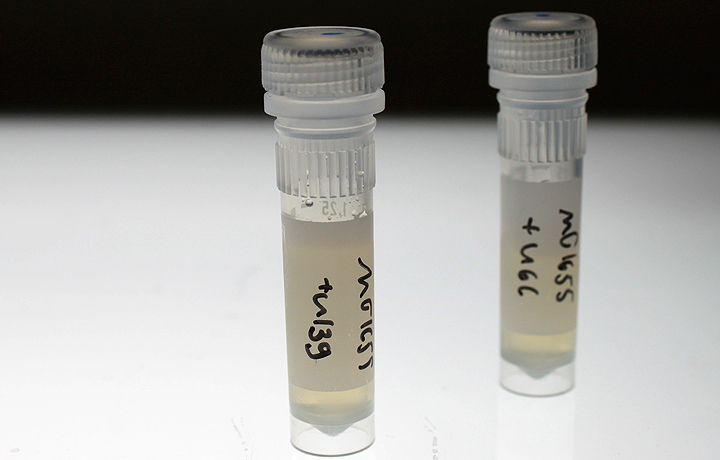
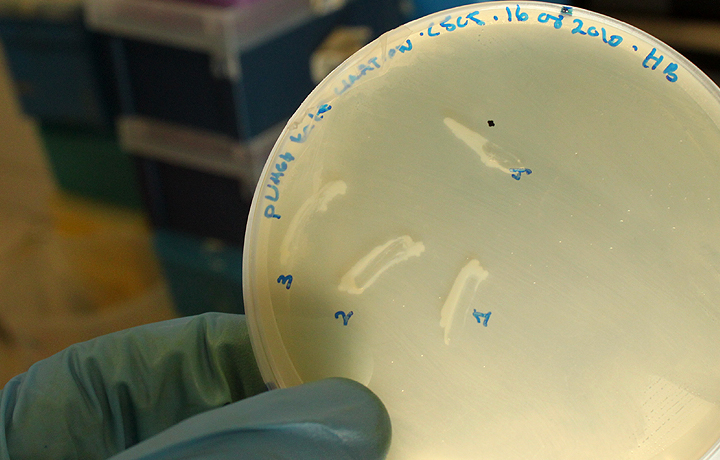
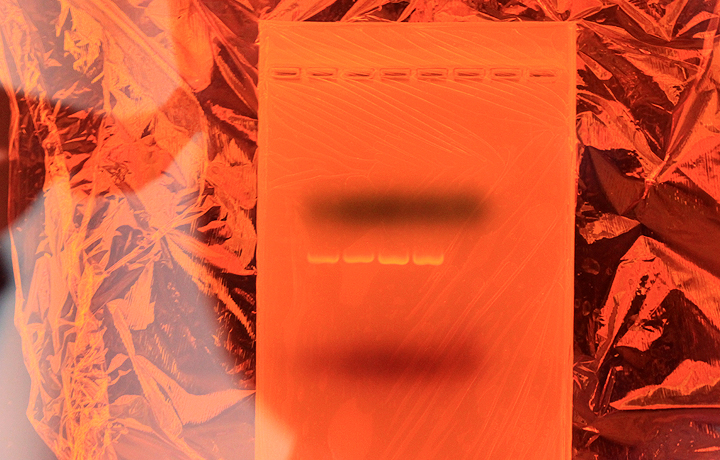
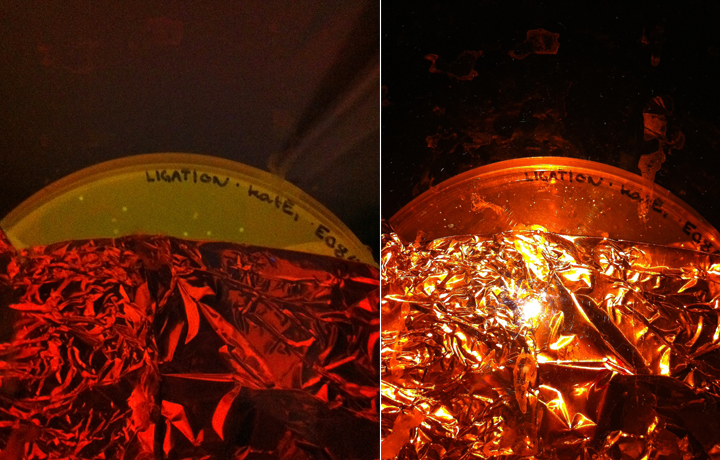
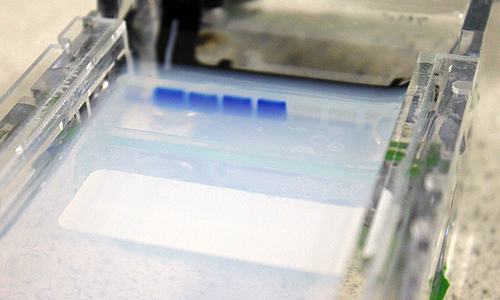
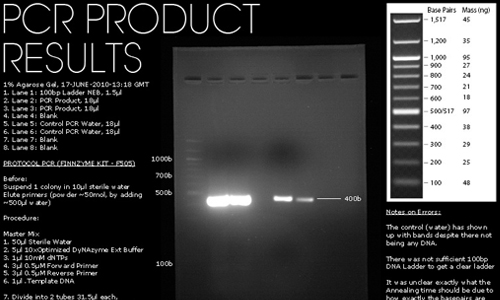
Using PubMed’s sequence viewer, I identified the intergenic region containing the katE promoter. I designed primers to amplify this DNA segment, ensuring compatibility with plasmid insertion sites using NEBCutter. The amplified sequences were integrated into plasmids carrying GFP, but early results showed low expression due to plasmid limitations. To address this, I re-engineered the system by combining high-copy plasmids with synthetic biology toolkits, significantly improving GFP visibility. This meticulous process highlights the intersection of rigorous scientific techniques and artistic goals.
Making Visible the Invisible
Biological Processes Revealed
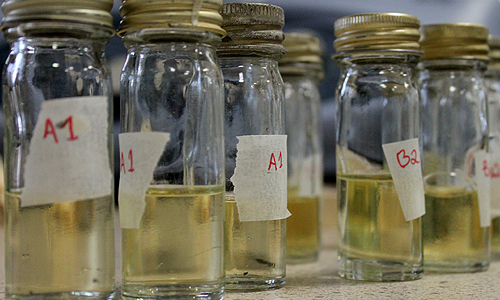
katE is exhibited in petri dishes or liquid cultures, where bacteria grow into vibrant, iridescent colonies that reveal their agitation and stress responses over time. These living artworks evolve dynamically, creating a shifting, real-time visualisation of microbial stress. The iridescent colours emerge as the bacteria respond to environmental changes, offering an ever-changing aesthetic experience. By combining scientific precision with artistic expression, katE transforms an invisible biological process into a vivid and tangible representation of bacterial life.