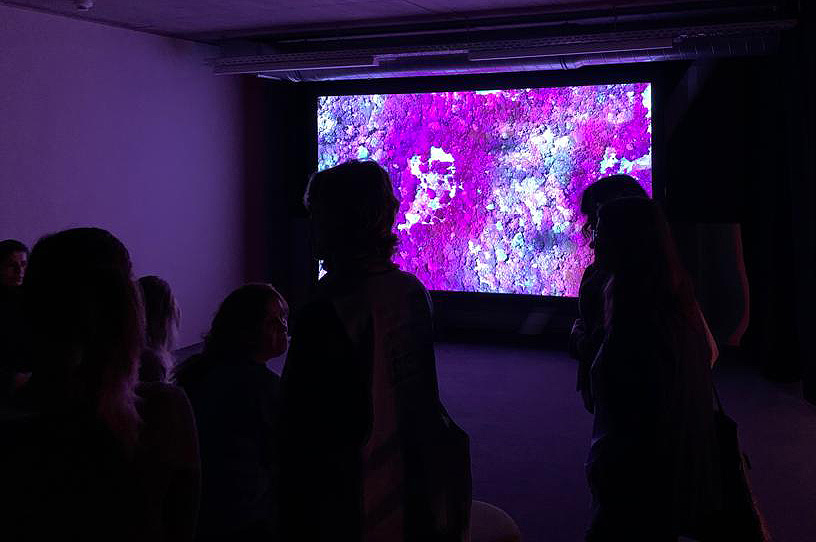
Context
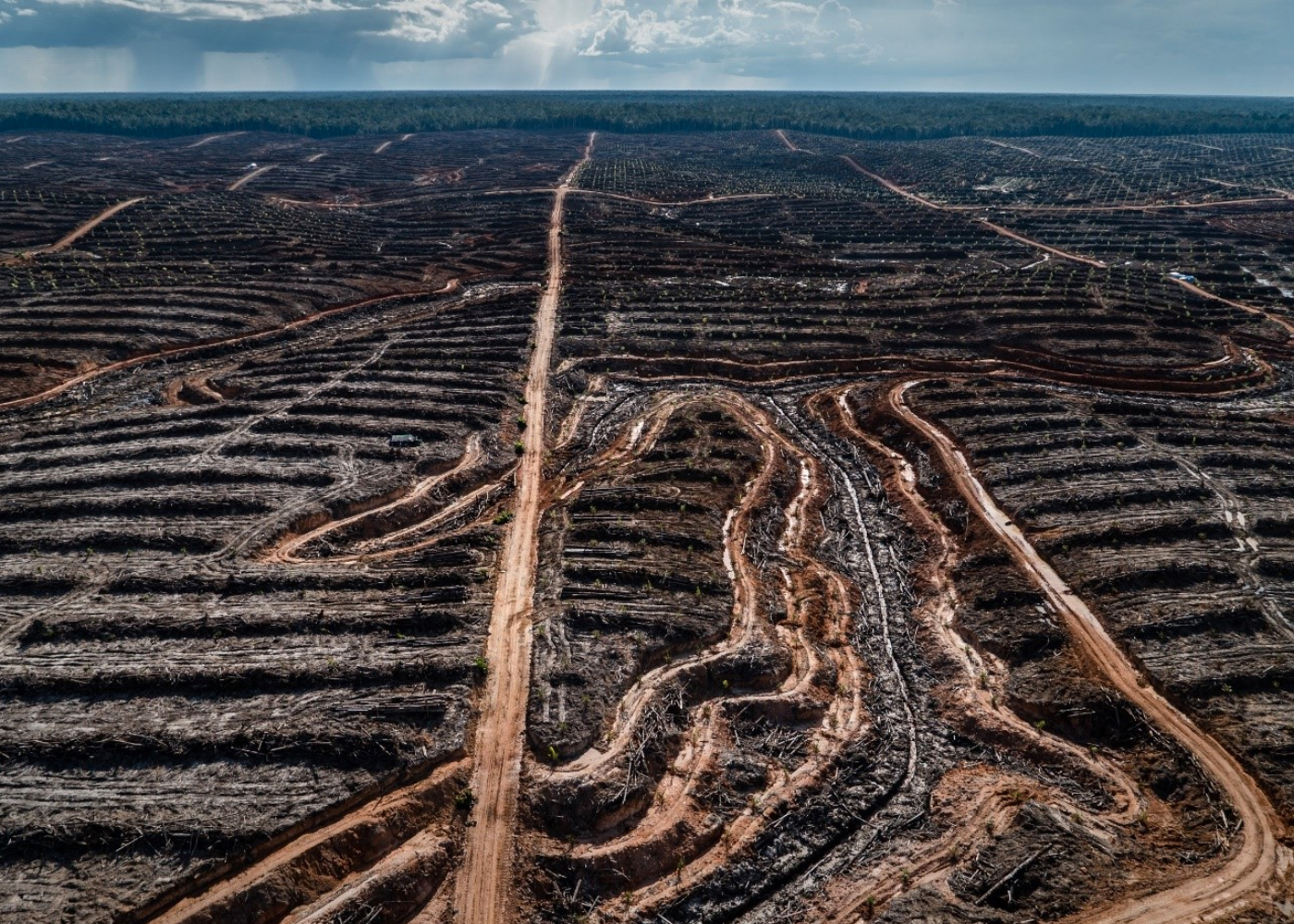
Losing biodiversity
Extinct in The Wild
Plants unable to survive in the wild
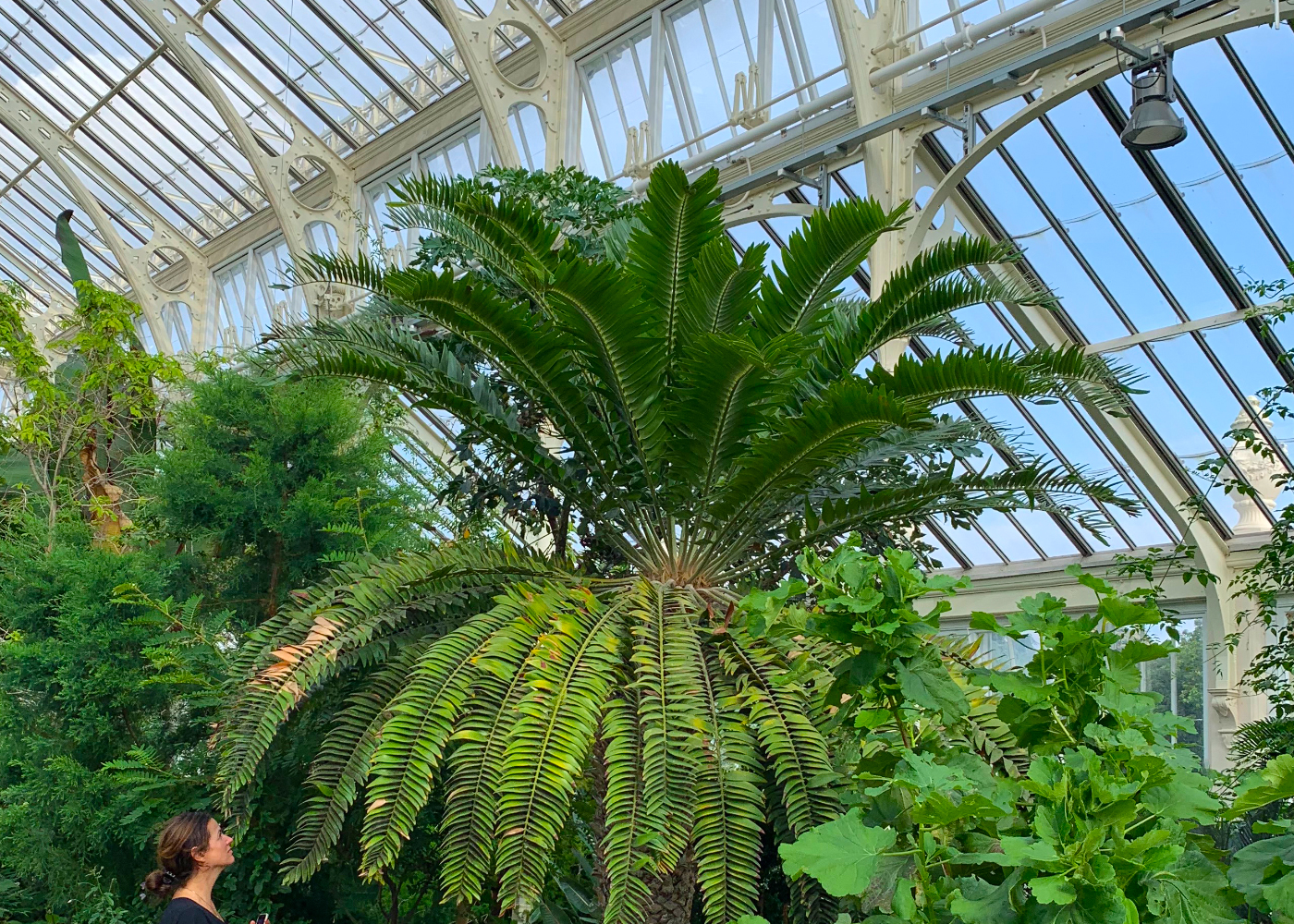
This project is inspired by the story behind the loneliest plant on Earth, the Encephalartos woodii, and draws attention to plants unable to survive in the wild. Isolated from their habitat, these ‘extinct in the wild’ plants have been stripped of their 'ecological circumstances'. They are no longer reproductive members of their population and merely living their lives in a physiological sense - they are the ‘living dead’.
Cycads
Most endangered species in the world
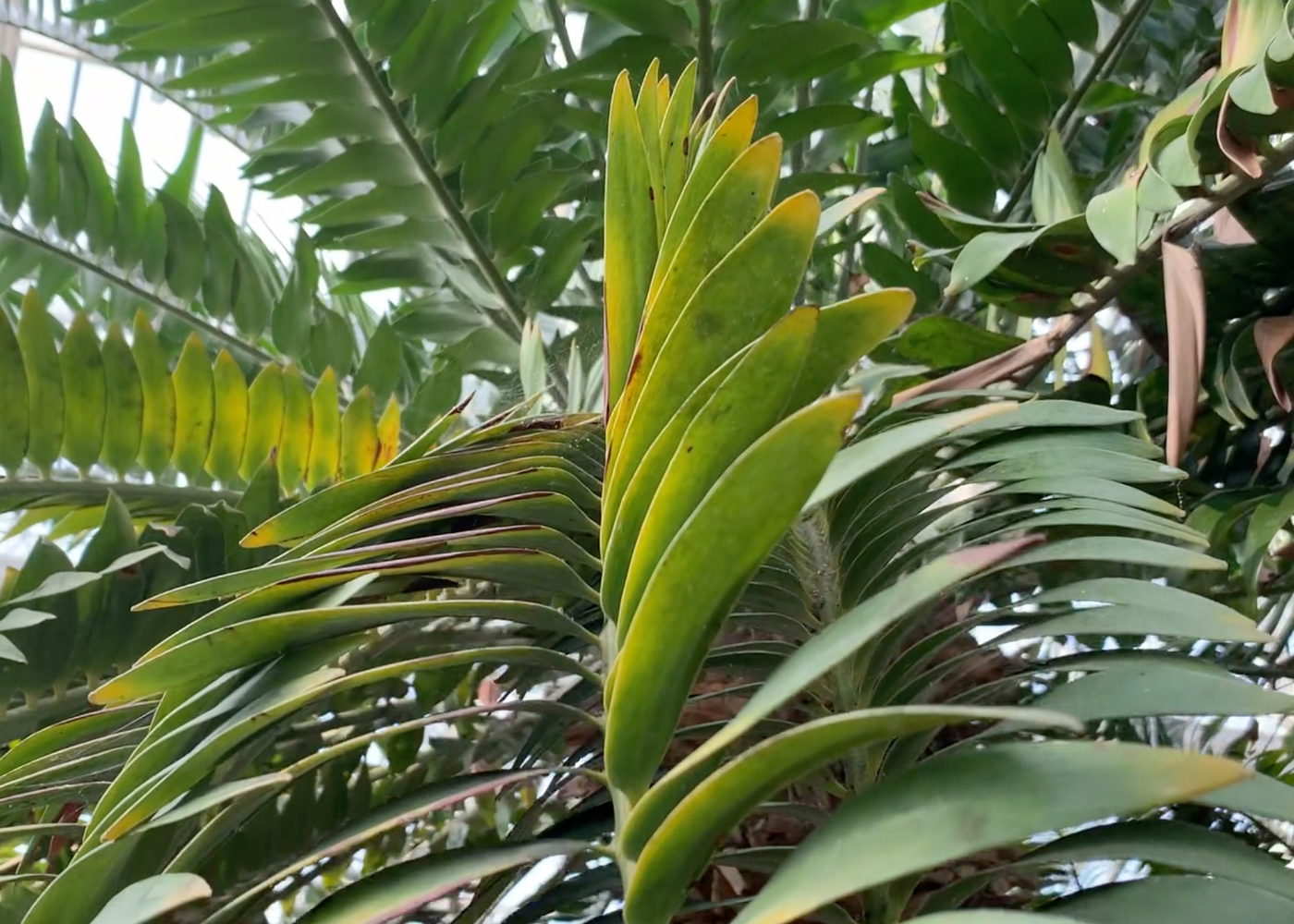
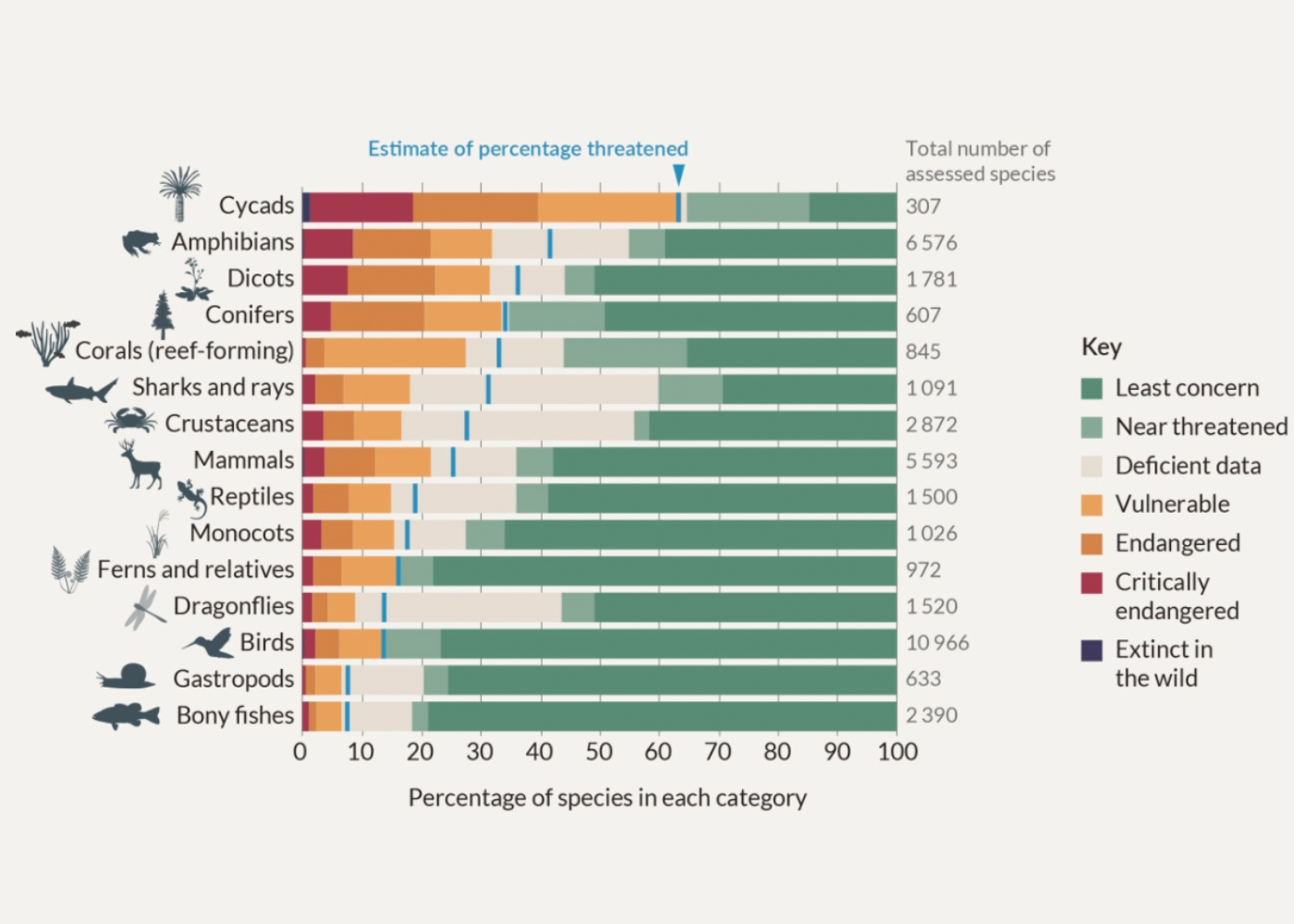
Cycads are the oldest surviving seed bearing plant predating dinosaurs more than 300 million years ago having survived multiple mass extinctions and environmental changes. In spite of their incredibly long legacy, cycads are now the most endangered living organisms on Earth. Rare cycads have also become subject to a thriving illegal market worth millions of dollars annually.
Background
Rarest plant found in the Ngoye Forest
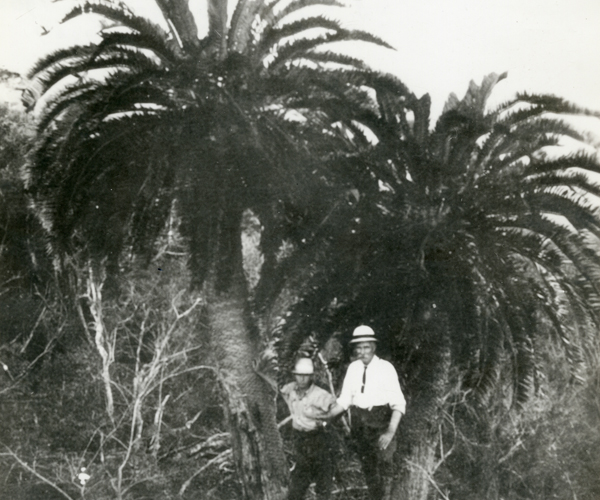
In 1895, a single solitary male tree was discovered in the Ngoye Forest in South Africa by John Medley Wood travelling with an oxwagon through the forest on a botanical expedition. No other specimen could be found and though several expeditions have since explored the forest, this lonely male remains the last of its wild ancestors. It was feared that this plant would be destroyed so stems were removed and propagated in botanical gardens. All existing specimens are clones of this plant and, like the last wild specimen, all are male. Both sexes are needed for reproduction and without a female, it will never naturally reproduce again. It is one of, if not the rarest, and possibly most sought after species of cycads.
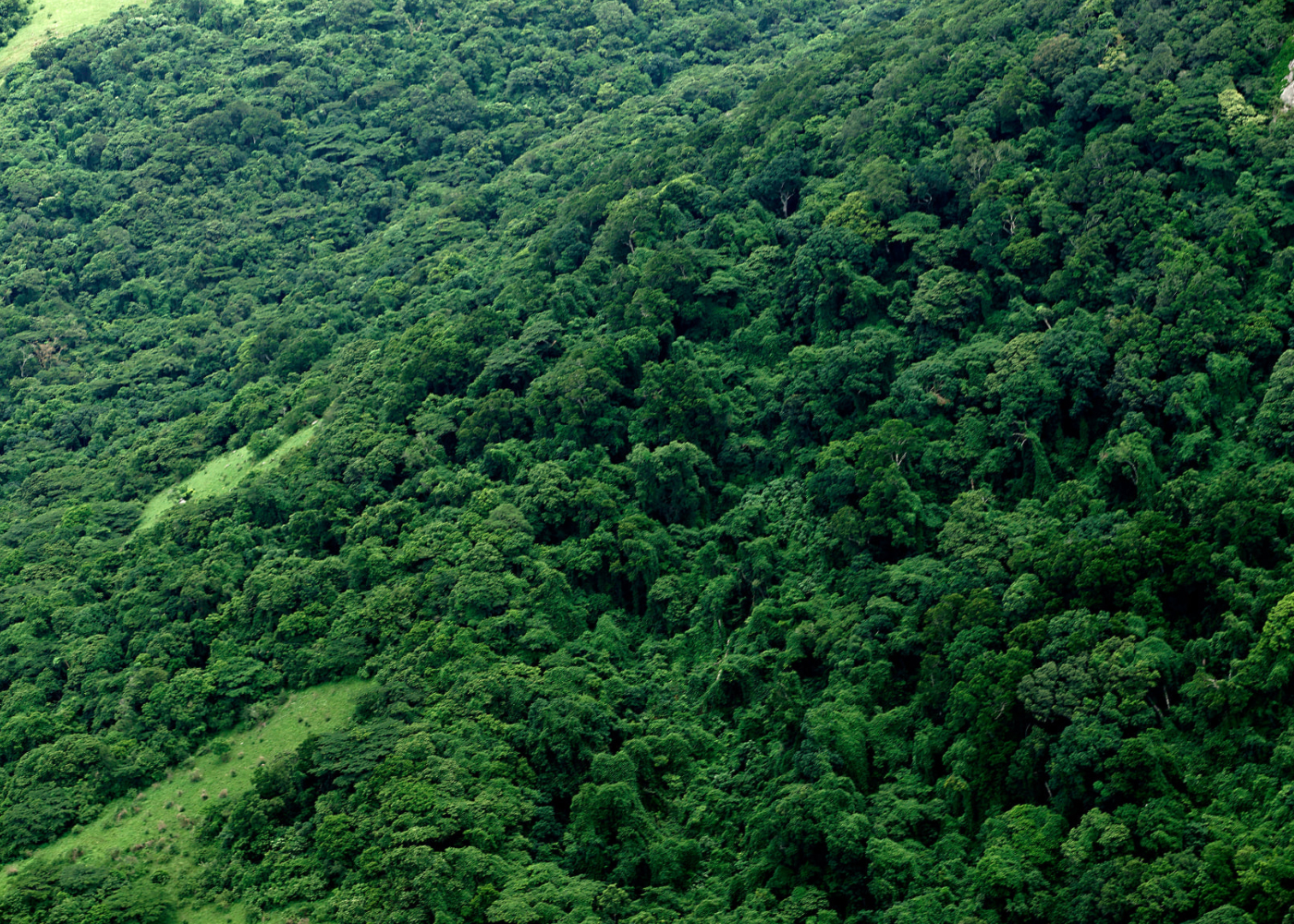
Ngoye Forest
KwaZulu-Natal, South Africa
The Ngoye Forest is vast with many areas inaccessible by foot leaving acres and acres uninspected and a possibility for a female to be hiding amongst the dense canopies. Our approach asked - how can remote sensing technologies be used to access previously inaccessible parts of the Ngoye Forest?
A pre-mission flight was conducted on a light sport aircraft, the Rainbow Cheetah. Piloted by Steve McCurrach of The Bateleurs, a non-governmental organisation who provide aerial support services to environmental missions in South Africa.
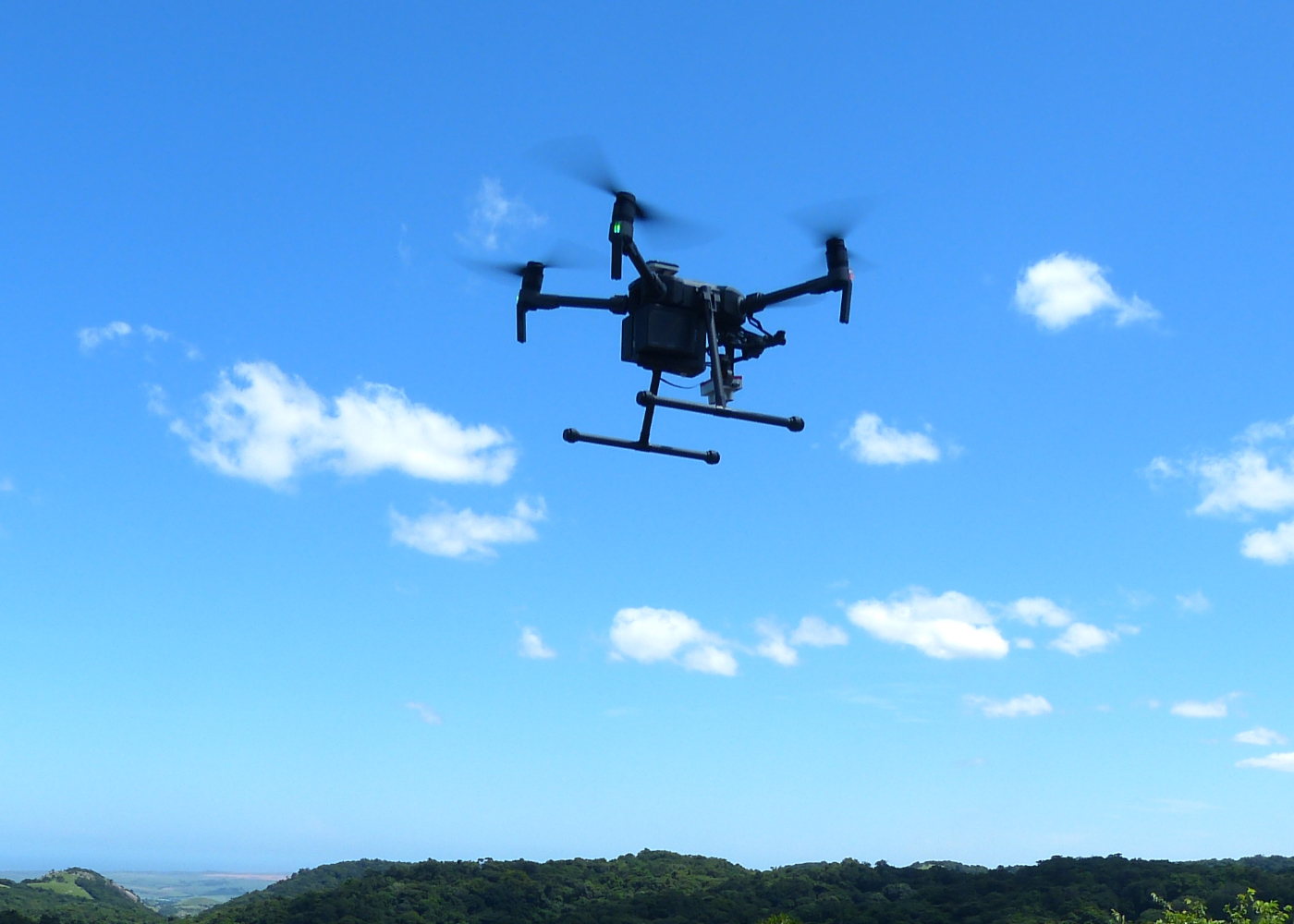
Drone Missions
Surveying & mapping
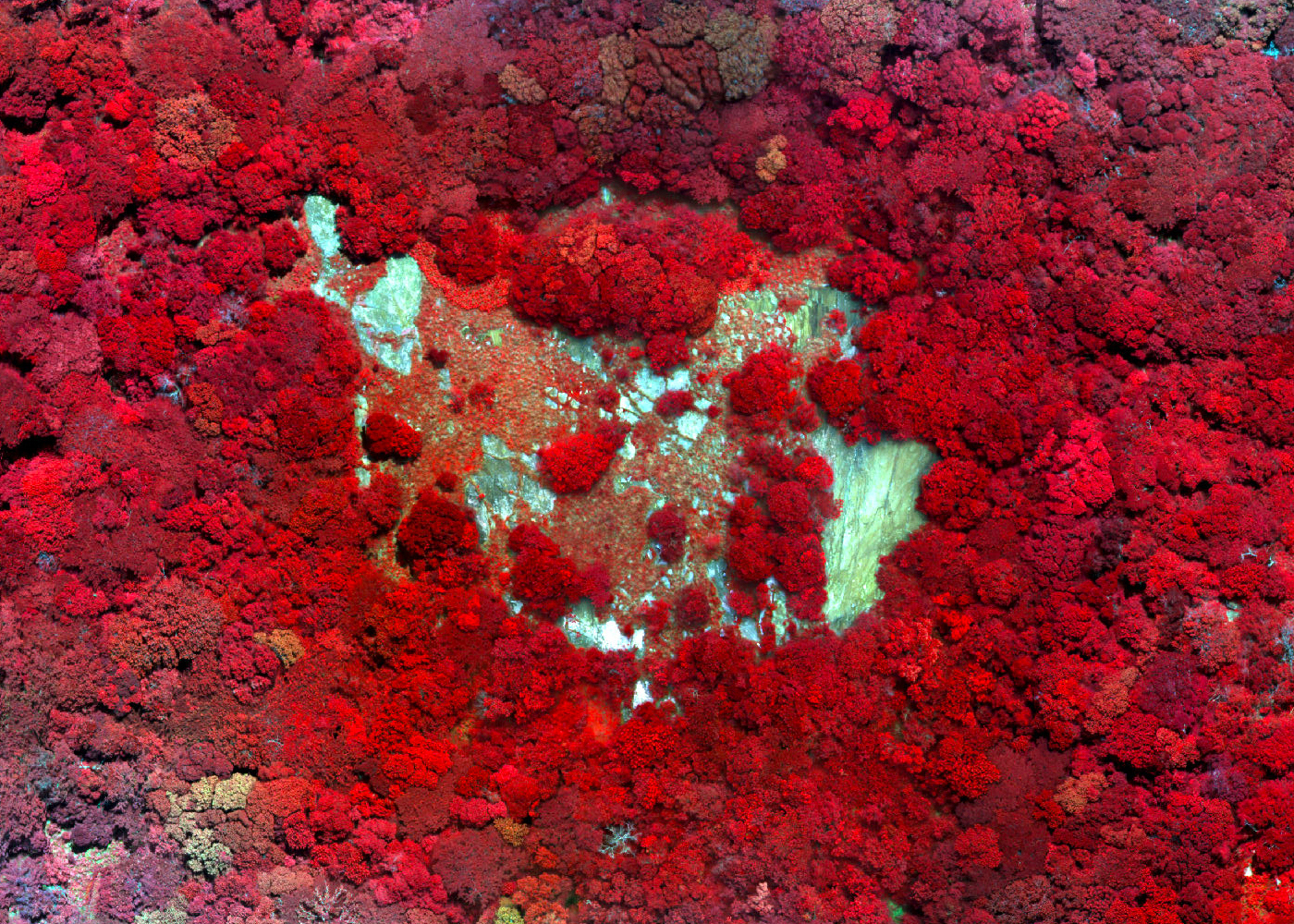
A drone was equipped with a multispectral camera and programmed to fly in a grid over two selected areas each around 40 acres collecting a total of 4000 images. Flying 80 metres above the ground we could capture images with a ground resolution of 8 and half cm. The mission was conducted by Dr Debbie Jewitt of Ezemvelo KwaZulu-Natal Wildlife that manages the Ngoye Forest and 120 other protected areas.
Multispectral Capturing
Using drones
The drone missions and aerial flights provided a wealth of photos that were each combined by stitching these together to form a map that could be analysed. This is the first time these methods have been used to search for Encephalartos woodii and it is hoped that it will more easily spot a cycad in the forest.
The Search
Continues...
Acknowledgements
& Credits
in collaboration with Debbie Jewitt and Howard Boland.
Dr Debbie Jewitt, Conservation Scientist and Drone Pilot, Ezemvelo KZN Wildlife.
Musawenkosi Michael MM. Mkhize, Technician and Drone Pilot, Ezemvelo KZN Wildlife.
Sharon Louw, District Ecologist, Ezemvelo KZN Wildlife.
John Craigie, Control Research Technician, Ezemvelo KZN Wildlife.

Steve McCurrach, Pilot and Director, The Bateleurs.

Library, Art & Archives team at Royal Botanic Gardens, Kew.
Rachel Lucas, Marketing and Commercial, Royal Botanic Gardens, Kew
Dr Roy Osborne, World-renowned Cycad Expert and Author.
Wynand van Eeden, President of the Cycad Society of South Africa.
Professor Brian Huntley, Former Director of South Africa’s National Biodiversity Institute and Kirstenbosch Botanic Garden, South Africa.
Arnold Frisby, Curator, Cycad and Indigenous Plant Nursery (Manie van der Schijff Botanical Gardens) and Lecturer, University of Pretoria, South Africa.
For more information get in touch.
AWARDS
& Nominations

Winner of PPDS’ sustainability-driven MUSE Digital Art Award.

S+T+ARTS Prize Nomination - Grand prize of the European Commission honouring Innovation in Technology, Industry and Society stimulated by the Arts 2023.

Recipient of the Roots and Seeds XXI Biodiversity Crisis and Plant Resistance Production Award - an international cooperation between Ars Electronica (AT) Leonardo / Olats (FR), Universitat de Barcelona (ES), Institut Botànic de Barcelona - IBB (ES) and Quo Artis (ES).




With the support of the Creative Europe Programme of the European Union.