Transforming Dyes
Art from Pollution
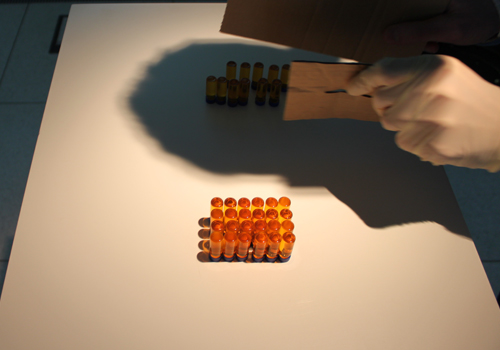
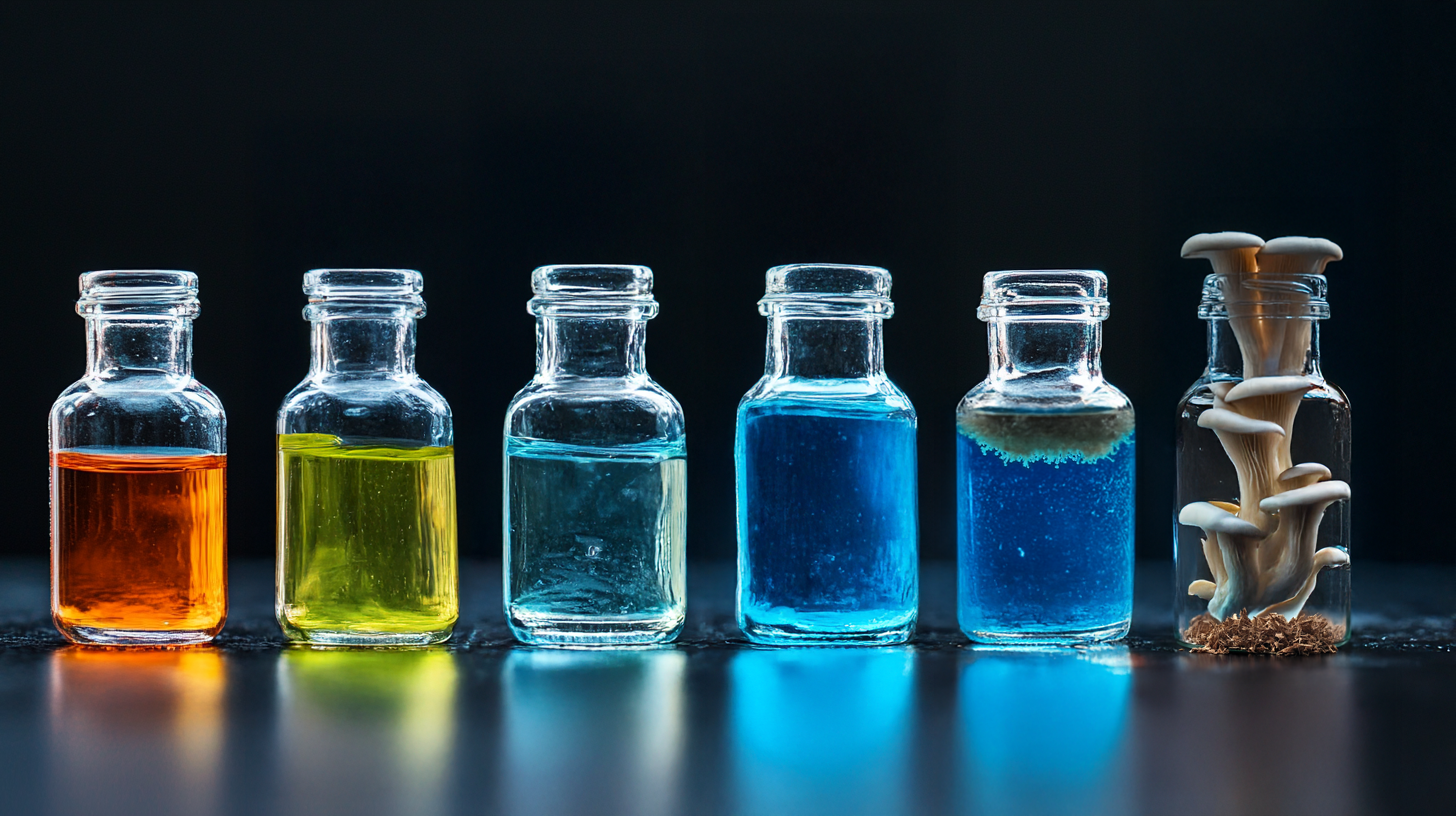
Most coloured textiles and leathers are treated with azo-dyes, which can become toxic in reduced environments. By employing bacteria in a bioremediation process, Transient Images explores the transformation of these dyes into intermediate states, visually expressed through dynamic colour changes - from orange to clear to blue-grey.
Transient Images, 2012
Transient Images, 2012
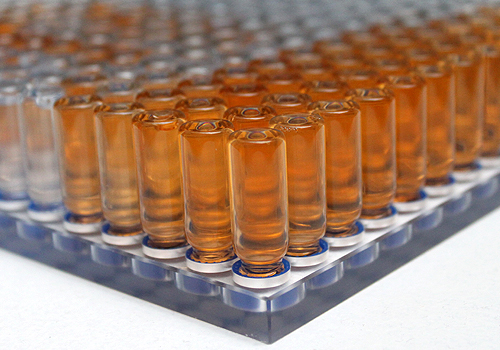
Media: Mixed, Biological [Bacteria, textile dyes, glass bottles, CNC template]
Dimensions: 20 cm x 20 cm [Variable]
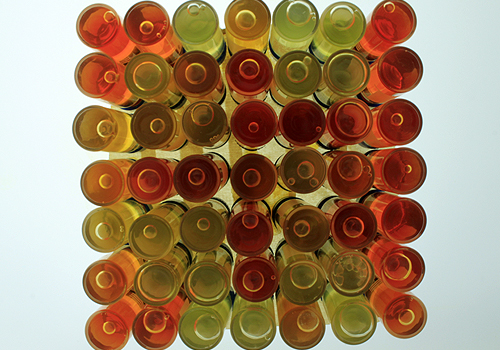
Image in Transition
A Matrix of Living Pixels
Bottles arranged in a grid act as living pixels, each containing varying amounts of bacterial culture. As the bacteria degrade the dye, transient images form, evolve, and disappear. The process highlights the temporal and ephemeral nature of microbial activity, connecting art to biological and environmental cycles.
Art from Sewage
Microbial Cultures and Dye Degradation
Sewage bacteria (Clostridium and Shewanella) were sourced from London Sewage Facility to break down azo-dyes. The process, while functional, carried a tension: the grit and smell of sewage contrasted with the iridescent and striking colour changes. Microscopy further shows how these microbes are great swimmers, offering a deeper lens into their behaviour and environmental impact.
Bioremediation and Beyond
From Dye to Edible Mushrooms
The work extends into environmental and ecological considerations, proposing further bioremediation steps. By inoculating the dye-treated media with fungi (Pleurotus), the toxic by-products could be converted into harmless substances and finally into edible mushrooms. The composition shows the conceptual processes from pollution to bioremediation.
Transient Images: Waste and Renewal, 2012
Transient Images: Waste and Renewal, 2012
Media: Archival Pigment Print on Hahnemühle Photo Rag, signed, dated and numbered
Dimensions: 120 cm x 80 cm
Acknowledgements
Contributors and Exhibitions
The work was conducted at the University of Westminster.
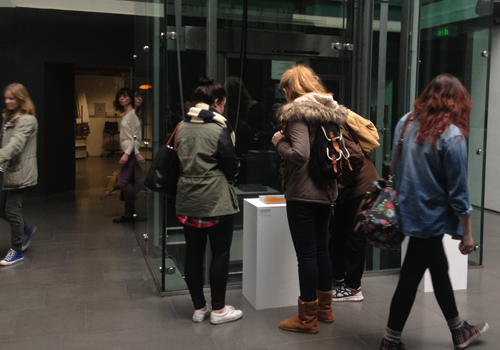
Transient Images was exhibited at: Evaporation of Things, Inspace, Edinburgh, Scotland (March 2013) Art from Synthetic Biology, The Royal Institute of Great Britain (April 2013)
Sincerest gratitude to Dr Mark Clements. Special thanks to Eustace Fernando, Dirk-Jan Spaanderman and Menno Borsboom.

The research is supported by a Doctoral Award from the Arts and Humanities Research Council and University of Westminster.