Banana Bacteria
Reprogramming scent through synthetic biology
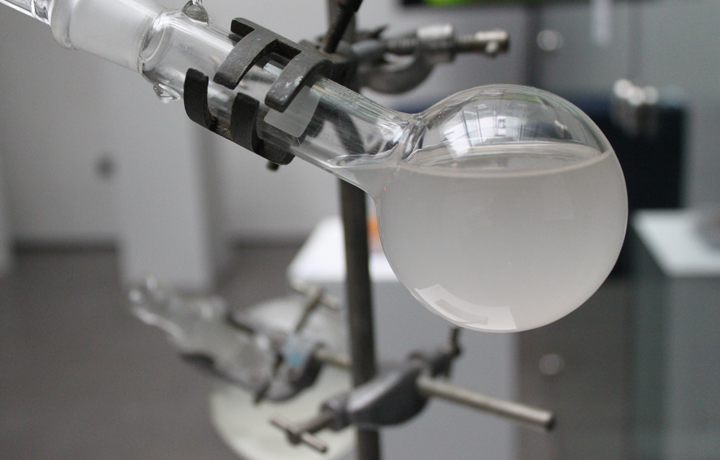
Banana Bacteria is an olfactory work where the natural foul smell of bacteria (E.coli) is genetically altered to release the sweet fragrance of banana. Using synthetic biology, bacteria have been engineered to replace the metabolic byproducts responsible for their unpleasant smell with a synthetic banana-scented ester. The work plays with perception, making an organism traditionally associated with decay evoke sensations of ripeness, sweetness, and consumption.
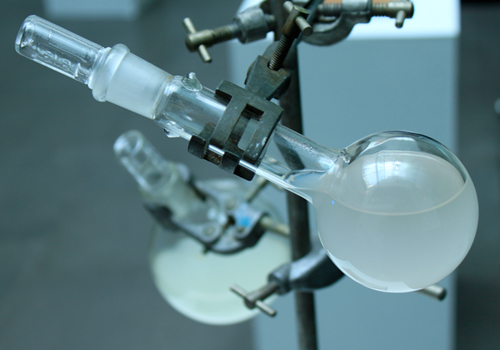
Banana Bacteria, 2011 Media: Living Bacteria (GMO), Installation Material: E. coli cultures, Florence flasks, laboratory stand, growth media, genetic constructs Dimensions: 60 cm x 60 cm x 160 cm [Variable]
Banana Bacteria, 2011 Media: Living Bacteria (GMO), Installation Material: E. coli cultures, Florence flasks, laboratory stand, growth media, genetic constructs Dimensions: 60 cm x 60 cm x 160 cm [Variable]
Transforming Scent
The Paradox of Bacterial Aroma
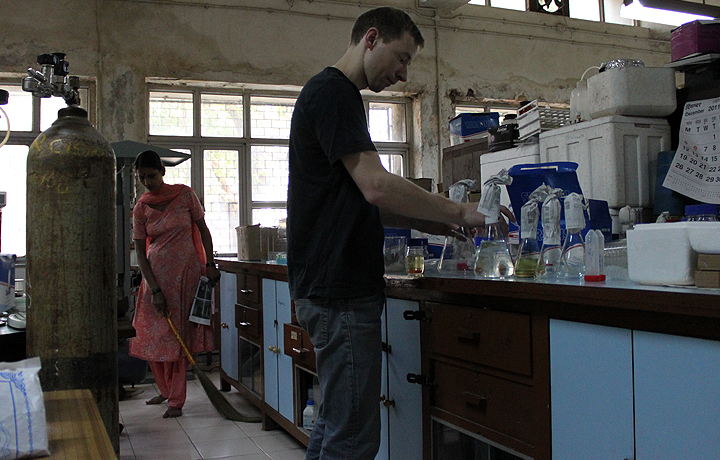
Bacteria often signal their presence through smell - decay, rot, or pungent organic compounds. Banana Bacteria subverts this biological signature by replacing it with something recognisable yet unexpected: the scent of ripe bananas. The construct removes the gene responsible for E. coli’s characteristic odour and introduces a metabolic pathway that converts isoamyl alcohol into isoamyl acetate - the compound responsible for the scent of banana oil. The result is an unfamiliar experience: an organism often perceived as undesirable now produces an aroma associated with something edible and inviting.
Biological Design
Genetic Constructs and Metabolic Engineering
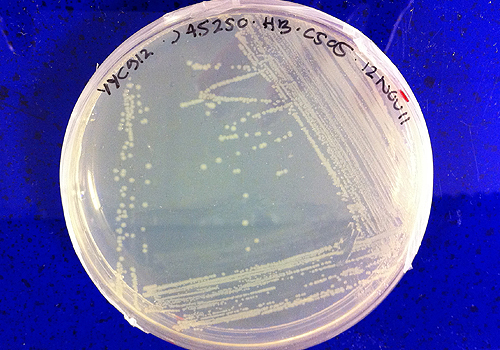
The work builds on genetic constructs developed by MIT’s 2006 iGEM team, which demonstrated how metabolic pathways could be altered to produce banana and wintergreen scents in E. coli. By using the BBa_J45250 genetic sequence, the project engages with synthetic biology’s potential to shape sensory perception - a process typically hidden at a molecular level now becomes a direct, embodied experience.
The transformation process involved:
The transformation process involved:
- Plasmid Design & Insertion – Encoding the metabolic switch into bacteria.
- Selection & Cultivation – Using antibiotic resistance to isolate successful modifications.
- Induction & Expression – Scaling cultures in Florence flasks, introducing isoamyl alcohol, and triggering the conversion to isoamyl acetate.
- Scent Development Over Time – Observing the shift from an alcohol-heavy scent to a rich banana fragrance.
Olfactory Experience
Confusion, Memory, and Bacterial Intimacy
“The experience of banana scent was initially confusing. At first, it was faint, blending into the pungency of alcohol. But as time passed, the aroma became sweeter, resembling overripe fruit - a mix between fresh and fermenting banana.”
The project challenges our sensory expectations, forcing a reconsideration of bacteria as something more than just contaminants or pathogens. The unfamiliarity of the sweet scent emerging from a bacterial colony disrupts notions of purity, contamination, and desirability.
The project challenges our sensory expectations, forcing a reconsideration of bacteria as something more than just contaminants or pathogens. The unfamiliarity of the sweet scent emerging from a bacterial colony disrupts notions of purity, contamination, and desirability.
Living Organisms as Art
Beyond Speculative Design
While Banana Bacteria touches on speculative futures—where microbes could alter human breath, body odour, or environmental smells - its focus remains on the immediate experience. Unlike speculative design objects that suggest hypothetical futures, this work exists in the present, engaging the public in direct interactions with genetically modified organisms.
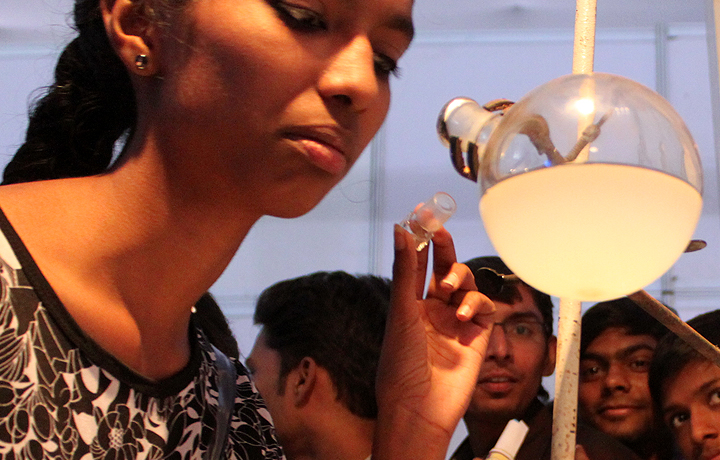
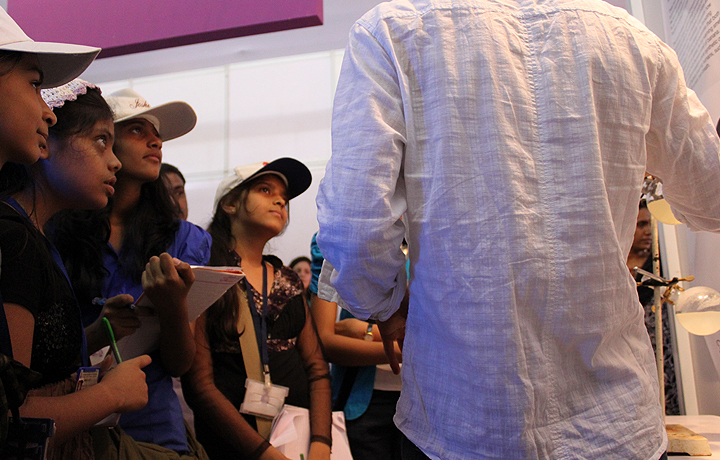
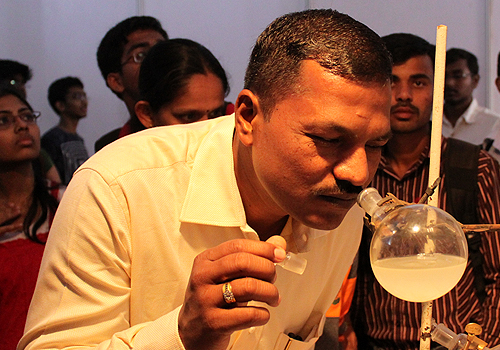
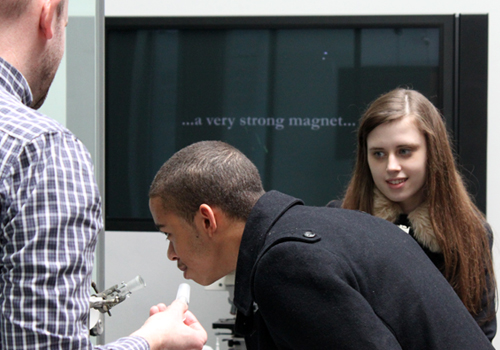
Presented in live exhibitions, the work invited audiences to approach and smell the bacteria, bringing synthetic biology into an intimate, sensory encounter - not through screens or abstract models, but through scent and presence.
Presented in live exhibitions, the work invited audiences to approach and smell the bacteria, bringing synthetic biology into an intimate, sensory encounter - not through screens or abstract models, but through scent and presence.
Acknowledgements
Contributors and Exhibitions
The work was conducted at the University of Westminster and featured in:
Grow Your Own, Science Gallery Dublin, Ireland (2013-2014) Art from Synthetic Biology, The Royal Institute of Great Britain (April 2013) Techfest 2012, IIT, IIT Bombay, Mumbai, India (January 2012) Synthetic Biology: Machine or Life?, Science Museum, DANA Centre, London (October 2011)
Special Thanks To:
Grow Your Own, Science Gallery Dublin, Ireland (2013-2014) Art from Synthetic Biology, The Royal Institute of Great Britain (April 2013) Techfest 2012, IIT, IIT Bombay, Mumbai, India (January 2012) Synthetic Biology: Machine or Life?, Science Museum, DANA Centre, London (October 2011)
Special Thanks To:
- Dr Mark Clements (University of Westminster)
- MIT iGEM 2006 team (Genetic construct development)
- Sara Tocchetti (London School of Economics), for facilitating access to the indole-inefficient strain (YYC912) from the University of Lausanne.
- Arts and Humanities Research Council (AHRC) (Doctoral Award)
- University of Westminster